A recent water contamination scare in Bhagirathpura, Indore, has triggered a dramatic shift in how residents secure their drinking water, with a massive surge in the consumption of RO-treated water. Fearful of health risks, locals are increasingly abandoning the regular municipal supply, leading to a transformed market for safe water in the area.
Residents Turn to RO Water for Safety
The incident, which involved contaminated regular water, has made water safety a primary daily concern for families. Consumption of RO-treated drinking water rose sharply as a direct consequence. Many households have completely shifted to purchasing RO water, while others have adopted boiling tanker-supplied water as a precautionary measure.
Local businesses have quickly adapted to this new demand. Shops in Bhagirathpura have started keeping 20-litre water cans in stock to meet the surge. Furthermore, dedicated RO water delivery vehicles are now a common sight, making door-to-door rounds in the locality. The treated water is being sold at a rate of Rs 20 per 20-litre can.

A 60% Spike in Demand and Changed Routines
Water suppliers have reported a staggering increase in business. One operator of a nearby chilling plant stated that their supply to Bhagirathpura increased by more than 60 per cent following the contamination scare. Their delivery vehicles are now forced to make multiple trips every day to keep up with the orders from anxious residents.
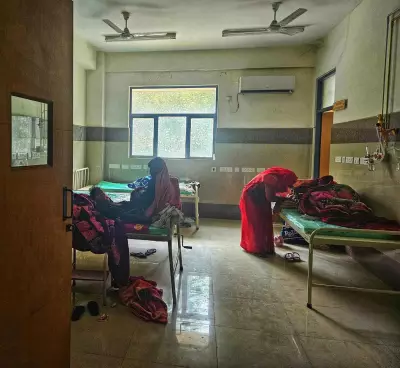
The health scare has forced significant lifestyle changes. Sapna Mourya, a resident, shared that her family's routine was completely upended after her father-in-law was hospitalized due to diarrhoea. "Since the incident, we started getting RO water from a nearby chilling plant for the entire household," she said. Her family now consumes two cans of RO water daily.
Eroded Trust and Lasting Behavioral Shifts
The episode has eroded trust in the tap water supply, with residents indicating it may take considerable time to return. For many, the contamination was a wake-up call. Some families who could afford it have installed personal RO units at home for the first time.
Babita Mali, a small shop owner from the area, exemplifies the new caution. "I go to the chilling plant in the Banjarimata area every day to get a water can. I don't want to take any risk with my family's health," she explained, adding that she herself fell ill and is still recovering.
The shift is most pronounced for drinking water, especially for children and the elderly, though some continue to use boiled water for cooking and washing. As one resident summed up the community's sentiment: "Earlier, we didn't think much about RO water. Now everyone is buying it." The event has indelibly marked Bhagirathpura, turning water safety from an afterthought into a non-negotiable priority.