

As the nation prepares to welcome 2026, a significant intensification of winter weather is set to sweep across large parts of India. The India Meteorological Department (IMD) has issued a detailed forecast, warning citizens of severe cold wave conditions, dense to very dense fog, and fresh snowfall in the hills over the coming week.
IMD Bulletin Details Severe Weather Outlook
In its All India Weather Summary and Forecast Bulletin released on the morning of December 28, 2025, the IMD provided a comprehensive seven-day outlook from December 28 to January 3. The forecast indicates that daily life, transportation networks, and visibility will be significantly impacted across several states. While most regions remained dry in the past 24 hours, active weather systems are poised to return, particularly over North India, the Himalayan region, eastern states, and parts of the Northeast.
Snowfall Returns to Western Himalayas, Cold Wave Tightens Grip
The western Himalayan region, including Himachal Pradesh and Uttarakhand, is very likely to experience scattered to fairly widespread light to moderate rainfall and snowfall. This resurgence of winter activity threatens to cause temporary road closures in snow-prone areas and could disrupt tourism and transportation in hill stations during the crucial New Year period.

Simultaneously, cold wave conditions are expected to persist across north and central India until December 30. States like Punjab, Haryana, Chandigarh, Delhi, northern Rajasthan, Madhya Pradesh, Chhattisgarh, and Jharkhand will be notably affected. The IMD has specifically highlighted the likelihood of cold day conditions in isolated parts of East Uttar Pradesh and Bihar on December 28, where daytime temperatures will remain unusually low despite sunshine.
Widespread Dense Fog and Disruptions Expected
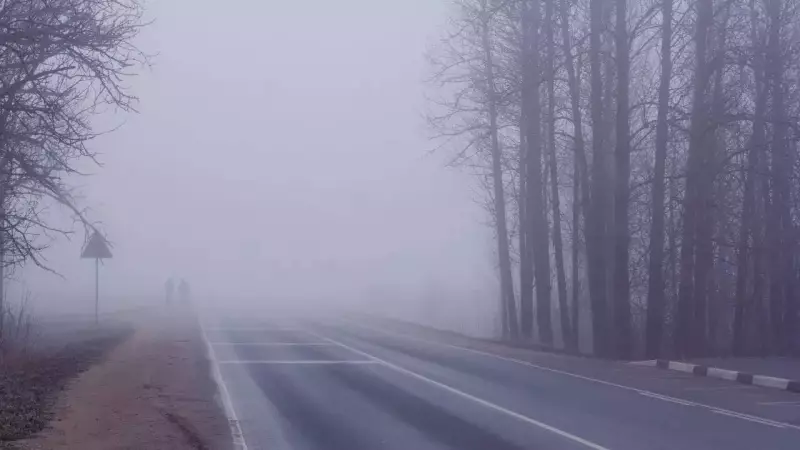
One of the most disruptive elements of the current weather pattern is the prevalence of fog. The IMD has warned of dense to very dense fog during night and morning hours across extensive areas of northern, eastern, and northeastern India.
Between December 28 and 31, isolated pockets of Punjab, Haryana, Chandigarh, Delhi, and Uttar Pradesh are very likely to be enveloped in thick fog. Uttar Pradesh may see foggy conditions in some to many areas until December 31, with dense fog lingering in isolated spots beyond that. Other regions expecting fog include:
- Assam and Meghalaya
- Nagaland, Manipur, Mizoram, and Tripura
- Sub-Himalayan West Bengal and Odisha
- Bihar and Arunachal Pradesh
- East Madhya Pradesh
This persistent fog is anticipated to severely affect road, rail, and air traffic, especially during early morning operations. The IMD's outlook suggests that dense fog will remain a recurring feature over the Indo-Gangetic plains into the first week of January, particularly impacting Bihar, Haryana, Punjab, Delhi, and Uttar Pradesh.
Temperature Dip and Isolated Thunderstorms
An analysis of current conditions reveals that minimum temperatures are already below normal in many areas. Locations across Assam, Meghalaya, Gangetic West Bengal, Madhya Pradesh, Gujarat region, Rayalaseema, and southern interior Karnataka have recorded minimums more than 5 degrees Celsius below average. Una in Himachal Pradesh recorded the lowest minimum temperature over the plains of India at 2.8°C.
While minimum temperatures over Northwest India may see a slight rise of 2–4°C in the four days following December 28, a subsequent dip of around 2°C is expected. In a contrasting weather event, the Andaman and Nicobar Islands are likely to experience isolated thunderstorms with lightning and gusty winds (30–40 kmph) between December 28 and 31. Port Blair has already received 1 cm of rainfall in the past 24 hours.
Looking further ahead to December 31 to January 2, the IMD predicts isolated to scattered rainfall over the western Himalayas, parts of Tamil Nadu, Kerala, Karnataka, and the island regions. Residents and travelers across affected states are advised to stay updated with the latest weather advisories and plan their New Year movements with caution.






