Himachal Pradesh, a major pharmaceutical hub, has earned a dubious distinction. The state has recorded the highest number of substandard drug samples in the country, according to recent official data. This alarming revelation has put a spotlight on the quality control mechanisms within the region's prolific drug manufacturing industry.
Official Data Reveals a Troubling Lead
The figures were presented by the Union Ministry of Health and Family Welfare in the Rajya Sabha. The data, compiled by the Central Drugs Standard Control Organisation (CDSCO), covers the period from January 2022 to December 2023. During this time, a total of 49 drug samples collected from Himachal Pradesh were declared "Not of Standard Quality" (NSQ). This number is the highest for any single state in India, placing Himachal at the top of this concerning list.
Following Himachal Pradesh, the state of Uttar Pradesh reported the second-highest failures with 40 NSQ samples. Maharashtra and Delhi followed with 39 and 38 failed samples respectively. The national capital region, including Delhi, thus also features prominently in the report on drug quality lapses.
Understanding the Categories of Failure
The CDSCO report categorizes failed drug samples into three groups: Spurious, Adulterated, and Not of Standard Quality (NSQ). It is crucial to note that the 49 failures from Himachal Pradesh all fall under the NSQ category. This means the drugs were found to be substandard—they did not meet the specified quality parameters—but were not classified as deliberately falsified or adulterated.
In contrast, the national data shows a more severe picture in other regions. For instance, Madhya Pradesh reported 14 samples as spurious, the highest in that dangerous category. Similarly, Maharashtra reported 7 cases of adulterated drugs, leading that list. The distinction is important for regulatory action, but NSQ drugs still pose a significant risk to patient safety and treatment outcomes.
Regulatory Response and Public Health Implications
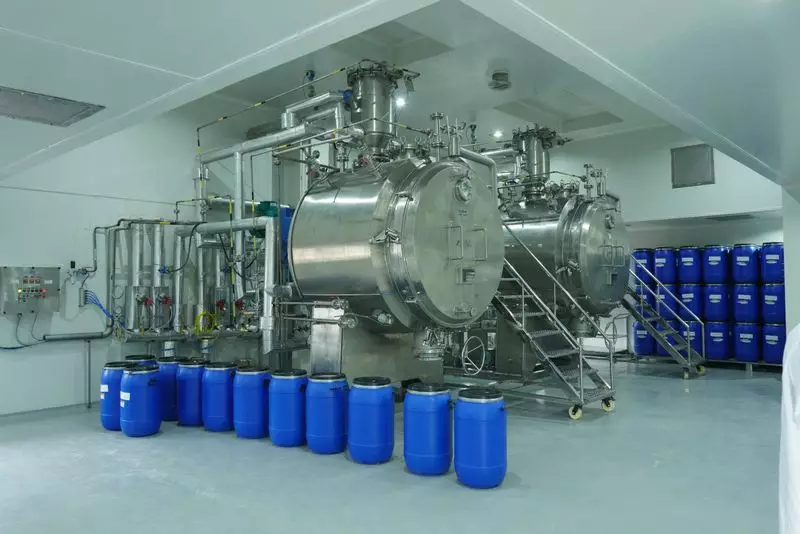
The disclosure of this data has triggered serious questions about the monitoring and enforcement of quality standards in Himachal's pharmaceutical sector. The state is home to a dense cluster of drug manufacturing units, often referred to as the 'Pharma Hub of India'. The high failure rate suggests potential gaps in Good Manufacturing Practices (GMP) compliance, raw material quality control, or post-market surveillance.
Authorities are mandated to take strict action against the manufacturers responsible for producing these substandard drugs. Standard procedures include issuing show-cause notices, suspending manufacturing licenses, and initiating product recalls from the market. The primary goal is to prevent these ineffective or potentially harmful drugs from reaching patients.
This situation has direct and severe public health consequences. Consuming substandard antibiotics, for example, can lead to treatment failure and antimicrobial resistance. Similarly, substandard drugs for chronic conditions like heart disease, diabetes, or hypertension can cause disease progression and severe complications, endangering lives and undermining trust in the healthcare system.
The report underscores an urgent need for both state and central drug regulatory authorities to strengthen their inspection regimes. Increased frequency of random sampling, more sophisticated testing laboratories, and stricter penalties for violations are being called for by health activists. The reputation of India's pharmaceutical exports, a key pillar of the economy, is also linked to robust domestic quality assurance.