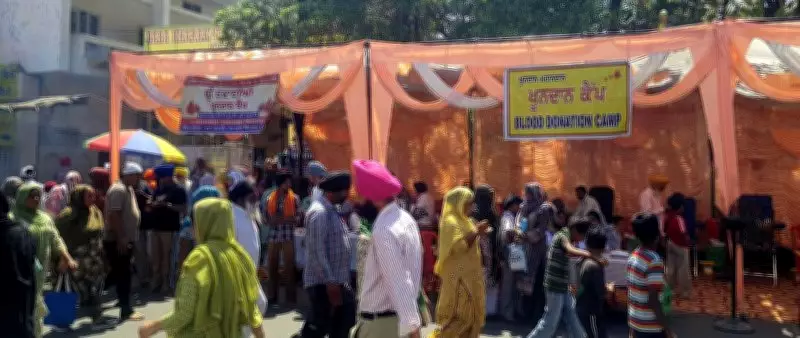
The health department in Amritsar has initiated a strict crackdown on unauthorised blood donation camps operating within the city. This move comes in response to concerns over the safety and legality of blood collection processes at such camps, which often lack proper screening and storage facilities.
Background of the Crackdown
Recent reports indicated that several blood donation camps were being conducted without the requisite permissions from the health authorities. These camps were found to be operating in violation of the guidelines set by the National Blood Transfusion Council, raising serious health risks for recipients. The unauthorised camps often fail to test donated blood for infectious diseases such as HIV, hepatitis B, and hepatitis C, potentially endangering patients who receive transfusions.
Action by the Health Department
The health department has formed special teams to conduct surprise inspections at locations suspected of hosting such camps. These teams are empowered to shut down any camp that cannot produce valid registration documents from the state blood transfusion council. Additionally, organisers of unauthorised camps face legal action, including fines and imprisonment under the Drugs and Cosmetics Act.

Dr. Sumeet Singh, the district health officer, stated that the crackdown is aimed at ensuring that all blood donations are collected under safe and hygienic conditions. He urged residents to donate blood only at recognised government or authorised private blood banks. The department has also launched a helpline for citizens to report any suspicious blood donation drives.
Impact on Blood Supply
While the crackdown may temporarily reduce the availability of blood, the health department is working with authorised blood banks to increase their collection drives. Mobile blood donation vans have been deployed in various parts of the city to make it convenient for donors. The department assures that there will be no shortage of blood for emergency medical procedures.
Public Awareness Campaign
In parallel with the enforcement action, the health department has started a public awareness campaign to educate people about the risks of donating blood at unauthorised camps. Pamphlets and social media posts are being used to spread the message. The campaign also highlights the importance of voluntary blood donation and the steps taken by the government to ensure a safe blood supply.
The crackdown has been welcomed by medical professionals and patient advocacy groups. They believe that this will significantly reduce the risk of transfusion-transmitted infections and improve the overall quality of blood services in the district. The health department has promised to maintain the strict vigil and conduct regular inspections to prevent any resurgence of unauthorised camps.