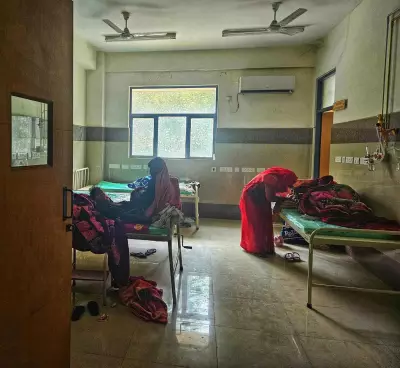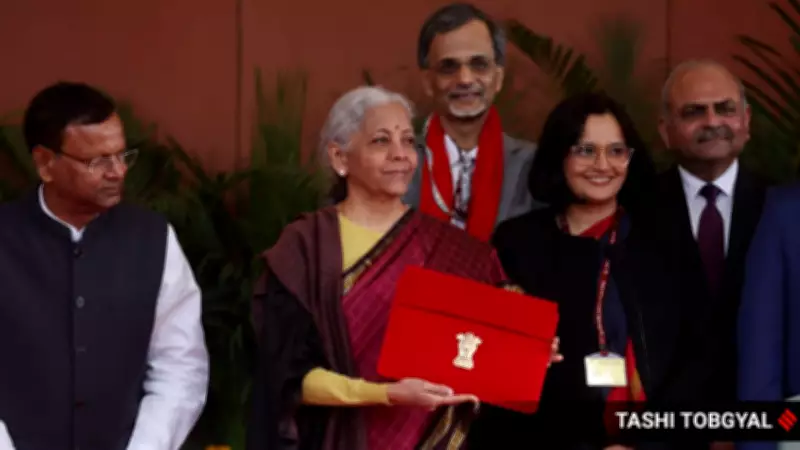
The Jan Swasthya Abhiyan (JSA), also known as the People's Health Movement in India, has voiced strong criticism against the Union Budget for the fiscal year 2026-27, highlighting a persistent neglect of the health sector. Activists from the organization have expressed dismay, pointing out that government spending on health as a percentage of GDP has decreased significantly in the post-pandemic period, betraying earlier commitments made in national policy frameworks.
Declining Health Budget Allocations Raise Concerns
According to an official statement released by JSA on Monday, the Union government's allocation for health in the 2026-27 budget is merely 0.27% of the GDP. This figure represents just around one-fourth of the expected level outlined in the government's own 2017 National Health Policy, which had pledged to increase health expenditure to 2.5% of GDP by 2025. Within this target, the Centre's share should have reached 1% of the GDP this year, but the current budget falls drastically short.
Post-Pandemic Spending Trends Highlighted
Activists noted that while health spending saw a moderate increase during the COVID-19 pandemic, it has since declined. The Union government allocation on health in the 2026-27 budget is 1.3% less than the actual expenditure in 2020-21, when adjusted for inflation. This decline is stark when viewed as a percentage of GDP, dropping from 0.37% in 2020-21 to 0.27% in the latest budget. Additionally, the share of the health budget in the total Union Government budget has decreased from 2.26% to 2.07% over this period.

Structural Issues and Policy Direction Criticized
The JSA statement emphasized that the budget lacks a comprehensive policy direction aimed at improving public health. It criticized the government for focusing narrowly on disease treatments through minor adjustments to disease-based programs, rather than addressing structural issues. Key concerns include:
- Continued underinvestment in the health system, with allocations remaining inadequate at just 2% of the total budget.
- No emphasis on strengthening primary healthcare, which is crucial for preventive care and early intervention.
- Decreased transfers to states and a lowered priority for the National Health Mission, undermining grassroots health initiatives.
- No expressed intent to implement a Universal Health System, which would ensure equitable access to healthcare for all citizens.
Historical Context and Long-Term Trends
Over the past five years, the Union government's spending on health has consistently remained under 0.3% of the GDP, according to the JSA statement. This trend contrasts sharply with the ambitious goals set forth in the 2017 National Health Policy, which aimed to elevate health expenditure from 1.15% to 2.5% of GDP by 2025. The activists argue that this persistent underfunding reflects a lack of political will to tackle systemic challenges in India's healthcare infrastructure.
The criticism from Jan Swasthya Abhiyan underscores growing concerns among health advocates about the sustainability and effectiveness of India's healthcare funding model. As the country grapples with ongoing health challenges, the call for increased investment and a more holistic approach to health policy remains urgent.