England's HPV Vaccination Success: Zero Cervical Cancer Deaths in Young Women
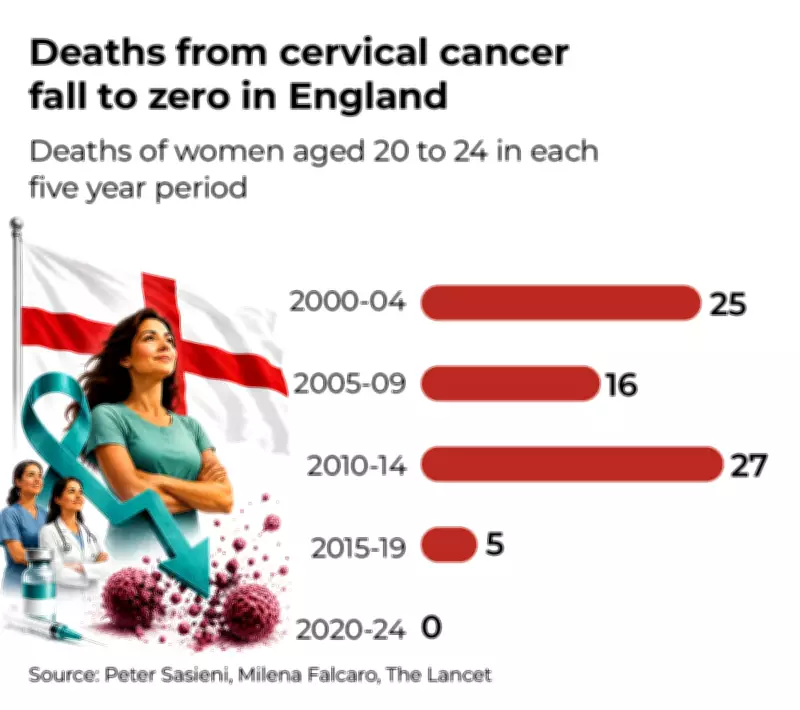
A groundbreaking study published in The Lancet has revealed that England has achieved zero cervical cancer deaths among women who received the HPV vaccine as young adolescents. This marks a historic milestone in the fight against one of the most preventable cancers.
The Landmark Study
Researchers analyzed data from women aged 20-24 between 2020 and 2024. Against an expected 23 deaths based on historical trends, there were no cervical cancer fatalities. This provides the strongest evidence yet that HPV vaccination can push the disease toward elimination.
Implications for India
India accounts for about one-fifth of the global cervical cancer burden, with over 120,000 new cases and 77,000 deaths annually. The success in England underscores the potential of widespread HPV vaccination. India launched its national HPV vaccination program in 2023, aiming to reach girls aged 9-14. However, challenges include vaccine hesitancy, access in rural areas, and competing health priorities.

Key Takeaways
- Vaccination at a young age is critical: The English study confirms that vaccinating adolescents before exposure to HPV offers near-complete protection against cervical cancer deaths.
- High coverage rates are essential: England achieved over 80% vaccination coverage. India needs to scale up its program to achieve similar levels.
- Screening remains important: While vaccination prevents most HPV-related cancers, regular screening is still needed for older women who were not vaccinated.
Looking Ahead
India's health authorities are working to integrate HPV vaccination into the routine immunization schedule. The English results provide a powerful impetus to accelerate these efforts. With sustained political will and public awareness, India can significantly reduce its cervical cancer burden in the coming decades.