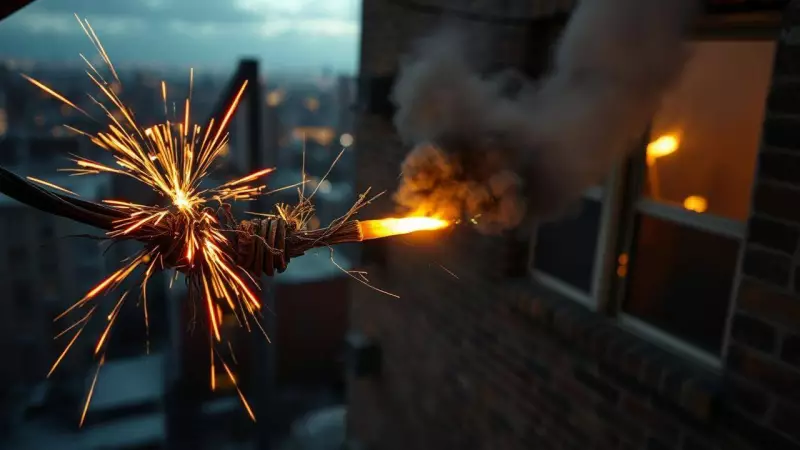
Electrical short circuits have become the second most common cause of devastating fires across Telangana this year, with a staggering 2,226 incidents reported. Official data from the Telangana fire services department reveals a growing crisis linked to outdated electrical systems, unsafe power consumption, and insufficient enforcement of fire safety regulations.
A Steady Rise in Electrical Fires
The state has witnessed a consistent increase in blazes triggered by faulty wiring and electrical overloads. This trend is particularly pronounced in Hyderabad's densely packed residential and commercial zones. Numerous buildings, especially in older city neighbourhoods, still rely on antiquated wiring that was never designed to handle the power demands of modern appliances like air conditioners and heavy commercial equipment.
The human cost of this infrastructural failure has been severe. A tragic fire in Gulzar Houz claimed the lives of 17 members of a single family, with a suspected short circuit identified as the cause. In late November, two individuals died in a Shahlibanda commercial establishment fire of electrical origin. More recently, a house fire in Kacheguda killed twin toddlers, with police pointing to an electrical fault.

Commercial Spaces Also at High Risk
The threat extends beyond homes. In May, a major fire at a Chandanagar mall, reportedly due to a short circuit, completely destroyed two shops. Fortunately, alert staff ensured timely evacuation, preventing any loss of life. These incidents underscore the widespread nature of the hazard.
Disaster management expert and former JNTUH professor, KM Lakshmana Rao, identifies Hyderabad's unique urban landscape as a core vulnerability. The city blends rapidly expanding commercial centres with high-density older areas, particularly in the Old City.
"Many buildings in older parts of the city were constructed decades ago when electricity use was minimal," Rao explained. "Today, the same wiring is expected to support air conditioners, heaters, and heavy machinery, leading to dangerous overloads." He also highlighted severe power fluctuations as a significant contributing fire hazard.
An Urgent Call for Action
The data presents a clear and urgent picture: aging electrical infrastructure is a ticking time bomb. The combination of old wiring, increased power demand, and weak enforcement of safety codes has created a perfect storm for fire accidents. The series of fatal incidents this year serves as a grim reminder that systemic upgrades and stricter compliance are not just necessary but critical to prevent further tragedies.
The fire department's statistics act as a stark warning for both authorities and citizens. Addressing this issue requires a multi-pronged approach involving infrastructure audits in old localities, public awareness on safe electricity usage, and rigorous implementation of fire safety norms across residential and commercial buildings.