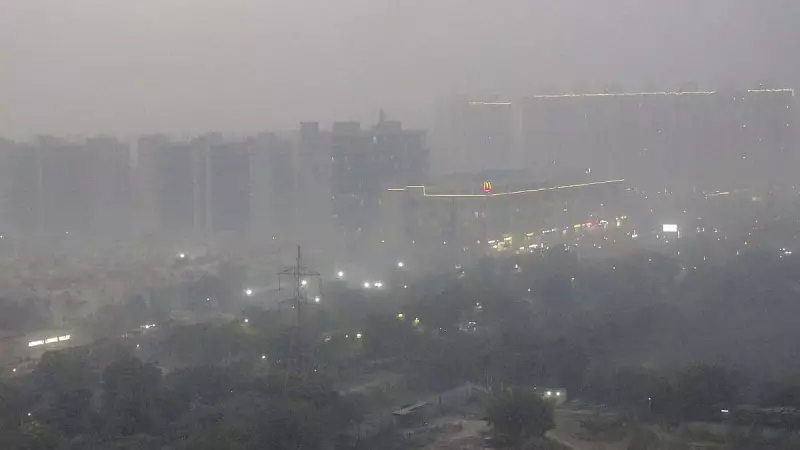
Residents of India's capital woke up to a thick blanket of toxic air on Tuesday, as pollution levels escalated dramatically overnight, pushing the city into the 'severe' category. The alarming spike was recorded across a vast network of monitoring stations, painting a grim picture of the environmental crisis.
Widespread Severe Pollution Grips the Capital
Data released by the Central Pollution Control Board (CPCB) revealed a dangerous escalation. At 9 am on Tuesday, 23 December 2025, the city's average Air Quality Index (AQI) was recorded at 415. This marked a significant drop from the 'very poor' category observed just a day earlier. The most concerning fact was the widespread nature of the pollution, with 27 monitoring stations across Delhi reporting AQI levels soaring above the 400 mark, which is classified as 'severe' and hazardous to health.
Data Points to a Steady Deterioration
The CPCB figures indicate a consistent upward climb in pollution concentrations. The shift from 'very poor' to 'severe' signifies a substantial increase in the concentration of harmful particulate matter, primarily PM2.5 and PM10. These microscopic particles can penetrate deep into the lungs and even enter the bloodstream, posing serious health risks. The timing of this spike, during the winter months, is consistent with seasonal factors like low wind speed, temperature inversion, and increased biomass burning, which trap pollutants close to the ground.
Implications and Public Health Advisory
An AQI above 400 affects healthy people and seriously impacts those with existing respiratory or cardiovascular diseases. Authorities typically issue health advisories under such conditions, which include:
- Avoiding outdoor physical activities, including morning walks.
- Keeping windows and doors closed to prevent dirty outdoor air from entering homes.
- Using N95 or P100 masks when going outside is unavoidable.
- Seeking medical attention if symptoms like breathlessness, coughing, or chest tightness occur.
The severe air quality demands urgent attention from both policymakers and citizens to mitigate exposure and address the underlying causes of pollution, which include vehicle emissions, industrial activity, and dust.