

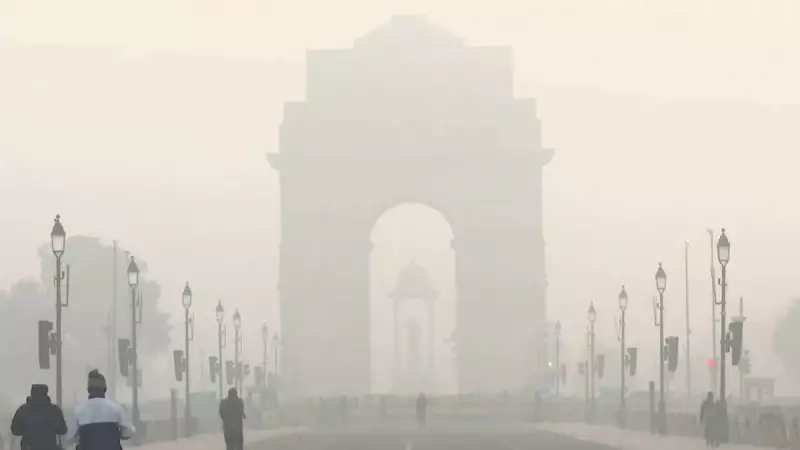
The national capital has woken up to another day of hazardous air and challenging weather conditions. Delhi's air quality has once again deteriorated, falling into the 'Very Poor' category, as per the latest monitoring data. Compounding the environmental concerns, the India Meteorological Department (IMD) has issued a forecast predicting dense fog and the possibility of light rain over the next two days.
Current Air Quality and Weather Snapshot
On Monday, December 30, 2024, the air quality index (AQI) in Delhi registered in the 'Very Poor' range. This classification signifies a significant health risk, especially for sensitive groups including children, the elderly, and individuals with pre-existing respiratory or cardiac conditions. The dip in air quality is a recurring winter phenomenon for the city, attributed to a combination of factors like vehicular emissions, industrial pollution, and atmospheric conditions that trap pollutants close to the ground.
Simultaneously, the IMD's forecast for the capital region indicates a likelihood of dense to very dense fog during the morning hours for the next 48 hours. This is expected to severely reduce visibility, potentially disrupting road, rail, and air travel. Furthermore, the weather office has not ruled out the possibility of light rain or drizzle in isolated parts of the city over the same two-day period.

Impact and Advisories for Residents
The dual challenge of poor air and dense fog has immediate consequences for Delhi's nearly 20 million inhabitants. The very poor AQI mandates a reduction in prolonged or heavy exertion outdoors. Health experts advise residents, particularly vulnerable groups, to wear N95 or equivalent masks when outside and to rely on air purifiers indoors where possible.
The anticipated fog poses a serious threat to commuter safety. The IMD and traffic authorities typically issue advisories urging drivers to use fog lights, maintain low speed, and keep a safe distance from other vehicles. Flight schedules at the Indira Gandhi International Airport may also face delays or cancellations due to low visibility protocols.
Looking Ahead: A Slight Respite?
While the fog and potential drizzle may cause inconvenience, the light rain could offer a minor, temporary improvement in air quality by helping to settle down particulate matter. However, such relief is often short-lived unless accompanied by stronger winds or more sustained precipitation. The prevailing winter meteorological conditions, characterized by low wind speeds and low mixing height, are likely to keep pollution levels elevated in the absence of significant mitigating factors.
Authorities continue to monitor the situation closely. The implementation of the Graded Response Action Plan stages, which include measures like increased parking fees, a halt on construction activities, and the entry restrictions for trucks, is typically triggered based on the severity and duration of the pollution levels.
For now, Delhiites must brace for a couple of days marked by hazy skies, reduced visibility, and air that demands caution. Staying updated with real-time AQI and weather reports, minimizing outdoor exposure, and adhering to travel advisories are the recommended steps for navigating the current environmental conditions in the capital.






