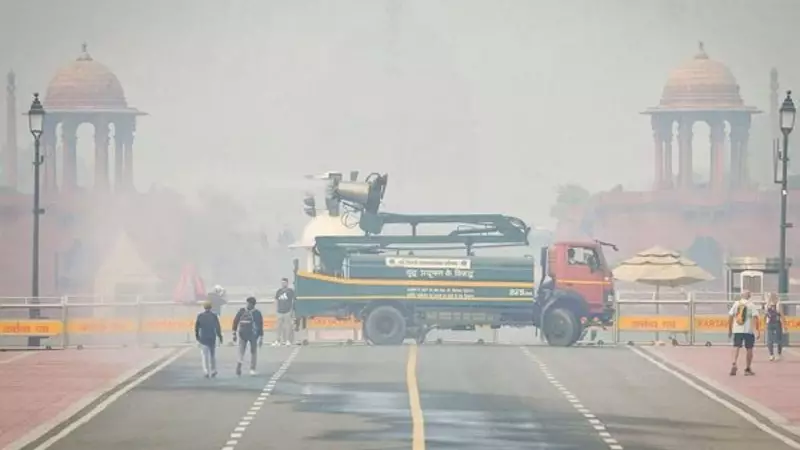
Delhi residents woke up to another day of hazardous air quality as the capital's pollution levels plunged into the 'severe' category on Thursday. A thick layer of toxic smog enveloped the city, reducing visibility and triggering health concerns among citizens and authorities alike.
Air Quality Reaches Dangerous Levels
The overall Air Quality Index (AQI) crossed the 400-mark at multiple monitoring stations across Delhi, firmly placing the city in the 'severe' category. Several areas recorded even more alarming readings, with AQI values soaring above 450, indicating critically polluted conditions that affect healthy people and seriously impact those with existing diseases.
Visibility Drops Significantly
The dense smog layer significantly reduced visibility across the capital, creating challenging conditions for commuters and disrupting daily life. Major landmarks disappeared behind the grey haze as pollution levels reached their peak during the morning hours.

Emergency Measures Activated
In response to the deteriorating air quality, authorities have implemented Stage III of the Graded Response Action Plan (GRAP). This includes:
- Ban on construction and demolition activities
- Restrictions on the entry of trucks into Delhi
- Intensified pollution control measures
- Increased frequency of mechanized cleaning of roads
Health Advisory Issued
Medical experts have issued urgent health advisories, recommending:
- Avoid morning and late evening walks
- Wear N95 masks when outdoors
- Keep medications handy, especially for asthma patients
- Use air purifiers indoors
- Avoid outdoor exercises
Weather Conditions Worsen Situation
Meteorological conditions have contributed significantly to the pollution buildup. Calm winds and low temperatures have prevented the dispersion of pollutants, causing them to accumulate in the atmosphere. The minimum temperature settled at 13.6 degrees Celsius, while the relative humidity was recorded at 85% in the morning.
Experts warn that the situation might persist for the next few days unless there's significant improvement in meteorological conditions or substantial reduction in pollution sources.