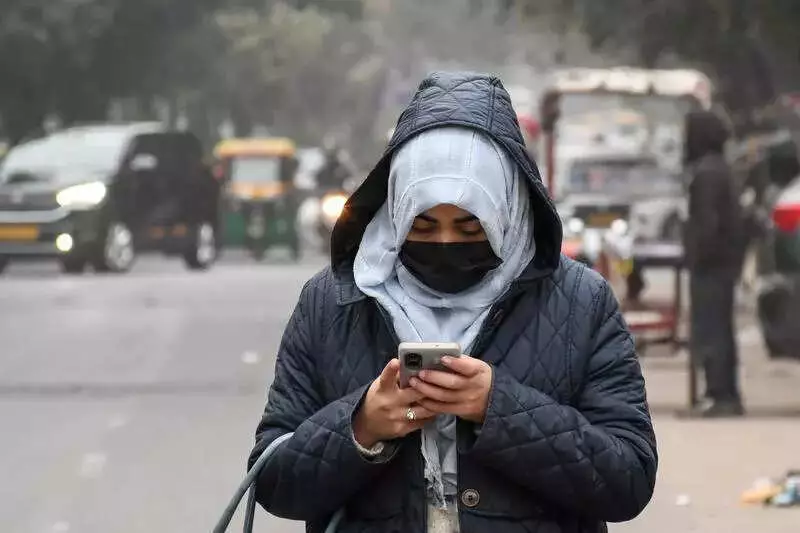
A recent scientific study has established a direct and alarming connection between spikes in air pollution and a surge in life-threatening heart emergencies in India's capital, Delhi. The pilot surveillance, conducted in the first half of 2021, provides concrete data showing that hospital admissions for cardiovascular issues increase measurably within a day of deteriorating air quality.
Quantifying the Pollution-Health Link in Delhi
The research, titled "Piloting surveillance of environmental risks and cardiovascular events in Delhi and Shimla, India, 2021", was published in the journal Discover Public Health by Springer Nature. It analyzed over 41,000 hospital admissions across selected tertiary care hospitals in Delhi and Shimla between January and July 2021, identifying more than 11,000 cardiovascular events in Delhi alone.
The findings are stark for Delhi. The analysis revealed that for every 10-point increase in the Air Quality Index (AQI) with a one-day lag, cardiovascular emergencies rose by 1.8%. The link was even stronger for particulate matter: admissions increased by 1.2% with PM10 and by a significant 2.0% with PM2.5 for every 10-unit rise. These correlations held firm even after accounting for variables like temperature, humidity, and seasonal trends.

Stark Contrast with Shimla and Patient Profile Differences
In a striking contrast, the hill station of Shimla showed no consistent or statistically significant link between air pollution levels and heart-related hospital admissions during the same period. This was true even in months when Shimla's particulate matter levels exceeded recommended standards.
The study also uncovered notable differences in the lifestyle and risk factors of patients in the two cities. Patients admitted in Delhi were, on average, younger and reported higher rates of physical inactivity, high-salt and high-fat diets, hypertension, and psychological stress. In Shimla, tobacco smoking (primarily bidis/cigarettes) and the use of solid fuels like wood or kerosene for cooking were more prevalent among heart patients.
Implications for Public Health Surveillance and Policy
The research highlighted that Delhi's average daily levels of PM10 and PM2.5 breached National Ambient Air Quality Standards (NAAQS) in early 2021, despite reduced activity during the Covid-19 pandemic. Shimla's PM10 levels exceeded standards for three months in early summer.
Conducted by researchers from the National Centre for Disease Control (NCDC), the India Meteorological Department (IMD), and Safetynet, New Delhi, the study aimed to test the integration of cardiovascular outcomes into India's National Outdoor Air and Disease Surveillance (NOADS) system, which currently tracks only respiratory illnesses.
The team concluded that including heart-related admissions and deaths in routine air pollution surveillance is crucial. This would offer a more complete picture of the health burden, aiding in health system preparedness, localized public health planning, and targeted air quality management, especially in highly polluted megacities like Delhi.