

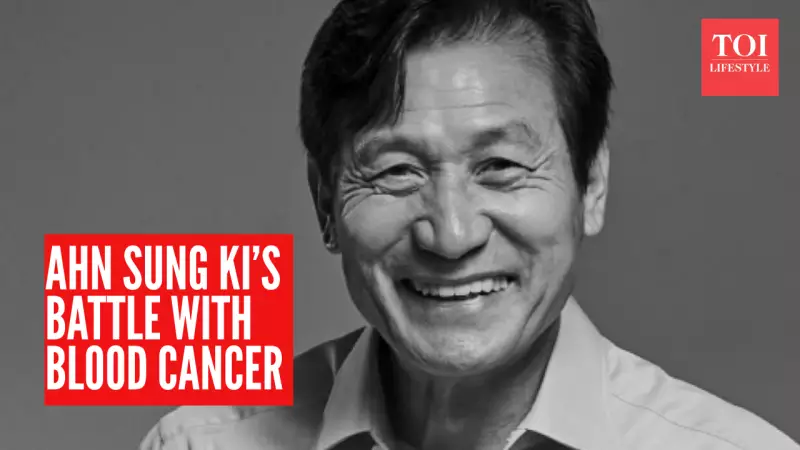
The world of cinema mourns the loss of a legendary figure. Veteran South Korean actor Ahn Sung Ki has passed away at the age of 74. His agency, Artist Company, confirmed the sad news, sending waves of grief through the film industry and his legion of fans worldwide.
The Tragic Incident and a Prolonged Battle
Ahn Sung Ki was rushed to a hospital on Tuesday, December 30, after he collapsed at his home while choking on food. He had been receiving medical treatment since the incident. However, this acute event came against the backdrop of a longer, more grueling health struggle. The acclaimed actor was first diagnosed with blood cancer in 2019. After undergoing treatment, he was declared cancer-free in 2020, offering a beacon of hope. Tragically, the disease returned. A routine checkup just six months later revealed the cancer had relapsed.
Understanding Cancer Relapse: Why It Happens
The passing of this iconic actor brings into sharp focus the daunting reality of cancer recurrence. According to the US National Cancer Institute, recurrent cancer originates from cells that the initial treatment failed to fully remove or destroy. This means a minuscule number of cancer cells survive, often remaining undetectable in follow-up tests due to their size, only to regrow later.

For blood cancers like leukemia, relapses are, unfortunately, not rare. The likelihood varies significantly based on the specific type of leukemia:
- For acute lymphocytic leukemia (ALL): Approximately 10 to 20 percent of people experience a relapse, typically within 2 years of initial treatment.
- For acute myeloid leukemia (AML): The relapse rate is significantly higher, with about 50 percent of individuals facing a recurrence. This can occur several months to years after treatment, with most relapses happening within 2 to 3 years.
The Emotional Toll and Paths Forward After Relapse
Beyond the physical battle, the fear of relapse carries a heavy emotional burden. Harvard Medicine notes that this fear is a complex process involving physical symptoms, significant emotional distress, and behavioral changes, filling a person's life with uncertainty.
When cancer does return, treatment options remain. The Mayo Clinic states that many local and regional recurrences can still be cured. Even when a cure is not possible, further treatment can shrink the cancer, slow its growth, relieve symptoms like pain, and help patients live longer.
As outlined by the Cleveland Clinic, treatment for recurrent cancer is highly individualized. Healthcare providers may consider several approaches:
- Repeating the first-line or initial treatment protocol.
- Performing surgery to remove new tumors if possible.
- Using different chemotherapy drugs or new combinations.
- Trying different kinds of therapy, such as targeted treatments or immunotherapy.
The demise of Ahn Sung Ki is a profound loss for the arts. His illustrious career, spanning decades and iconic roles, has left an indelible mark. Simultaneously, his personal health struggle serves as a poignant reminder of the persistent challenges in oncology, highlighting the critical need for continued research, vigilant follow-up care, and robust support systems for those navigating the fear and reality of cancer's return.






