In a stringent move to combat the capital's hazardous air quality, authorities in Delhi have denied fuel to nearly 2,800 vehicles over the past two days. This action is part of the intensified 'No PUC, No Fuel' enforcement drive launched by the Delhi Transport Department.
Massive Crackdown on Polluting Vehicles
The drive, which is a key component of the Graded Response Action Plan (GRAP) Stage-III measures, saw rigorous checks across the city's petrol pumps. According to official data, a total of 2,797 vehicles were refused fuel on December 18 and 19, 2025, for not possessing a valid Pollution Under Control (PUC) certificate.
The breakdown of the enforcement action is telling. On the first day of the intensified drive, December 18, officials turned away 1,378 vehicles at filling stations. The very next day, December 19, the number remained alarmingly high, with 1,419 more vehicles being denied fuel for the same violation. This consistent figure highlights a widespread non-compliance issue among vehicle owners in the city.

How the 'No PUC, No Fuel' Policy Works
The directive is clear and uncompromising. Petrol pump operators across Delhi have been instructed by the transport authorities to strictly refrain from selling fuel to any vehicle that cannot produce a valid PUC certificate. This certificate is a mandatory document that proves a vehicle's emissions are within government-prescribed limits.
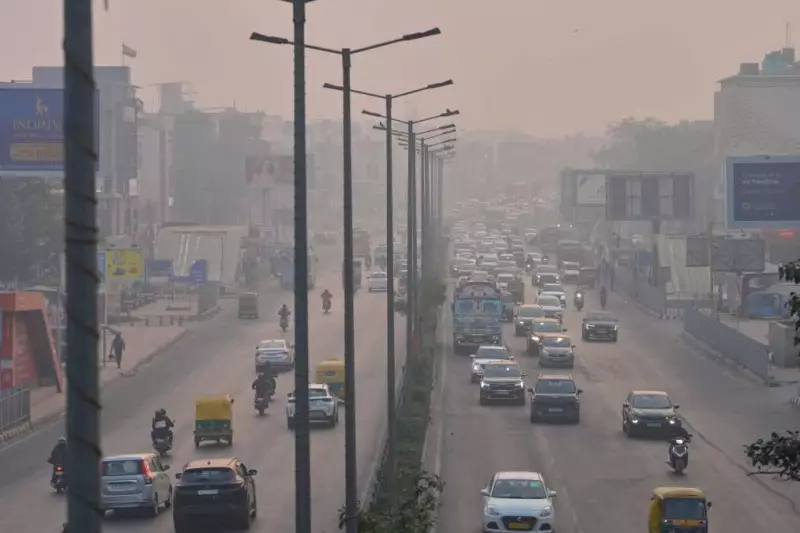
The current enforcement is not an isolated measure. It is a critical part of the anti-pollution strategy activated under GRAP Stage-III, which comes into force when air quality deteriorates to the 'severe' category. With Delhi grappling with a thick blanket of smog, such stringent steps are deemed necessary to curb emissions from one of the major pollution sources—road traffic.
A Broader Fight Against Toxic Air
The denial of fuel to thousands of vehicles sends a strong message about the administration's resolve to tackle the public health crisis posed by air pollution. The transport department's drive complements other GRAP-III restrictions already in place, such as a ban on the operation of BS-III petrol and BS-IV diesel four-wheelers in the Delhi NCR region.
Experts argue that while such enforcement is crucial, it must be accompanied by greater public awareness. Many vehicle owners either neglect to get their PUC checked regularly or are unaware of the serious legal and environmental implications of driving without one. The high number of refusals suggests a significant gap in compliance that needs urgent addressing.
The ultimate goal of the campaign is twofold: to immediately reduce the number of highly polluting vehicles on Delhi's roads and to instill a sense of discipline and responsibility among vehicle owners. The authorities have indicated that the drive will continue with the same rigor as long as the city's air quality remains in the 'severe' zone, underscoring the critical link between vehicular pollution and public health.