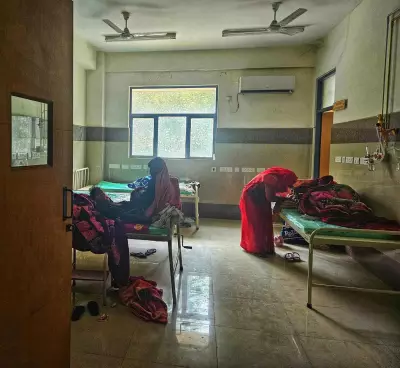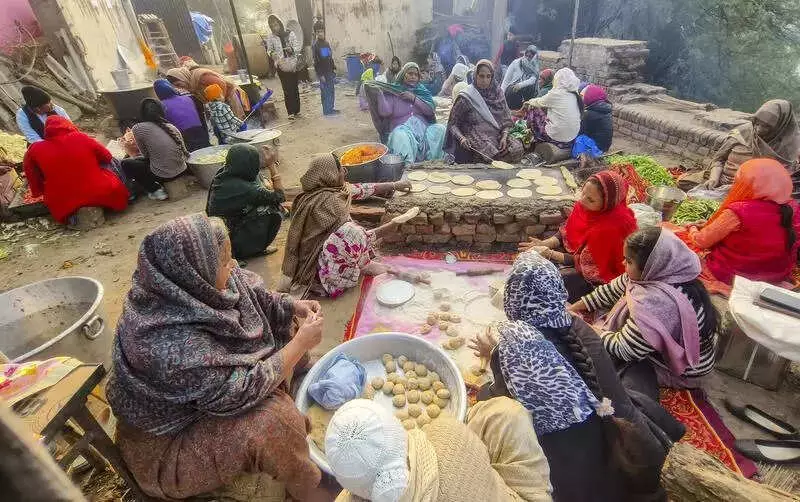
A startling new study has exposed a silent epidemic gripping the rural heartland of Punjab. Research published in the Indian Journal of Public Health reveals that nearly four out of every ten women in rural areas are suffering from hypertension, a condition often underestimated and left untreated in women due to persistent misconceptions about cardiovascular risk.
Alarming Prevalence and District-Wide Disparities
The community-based cross-sectional study, conducted among women aged 18 to 69 years, screened a total of 2,160 participants. The findings were concerning: 827 women, or 38.27%, were diagnosed as hypertensive. Among these, 27.9% had stage 1 hypertension, while 10.4% were grappling with the more severe stage 2 hypertension.
The research uncovered significant variations across districts. Amritsar and Ludhiana showed strong associations with the condition. In Amritsar, hypertension prevalence was 12% among affected women compared to 7.1% in the non-hypertensive group. Ludhiana recorded a 15.8% prevalence among hypertensive women versus 10.6% in others. Districts like Gurdaspur, Jalandhar, Patiala, and Muktsar also exhibited notable district-wise differences in how widespread the condition is.

Key Determinants: Age, Socioeconomics, and Lifestyle
The study provided a detailed breakdown of the factors influencing this high prevalence. Age emerged as a critical factor, with rates skyrocketing from 8.5% in the 18-29 age group to 66.1% among women aged 45–69 years. Marital status and family size played a role, with higher prevalence among married women (90.7%) and those with more children. Postmenopausal women were significantly more affected (59%) than their premenopausal counterparts (37.1%).
Socioeconomic disparities were pronounced and telling. Hypertension was most prevalent among women from the agricultural caste (65.2%), compared to scheduled caste (9.6%) and lower caste (25.3%) women. Education level showed a stark inverse relationship: illiterate women had a dramatically higher prevalence (64.6%) compared to graduates (1.7%). Occupation mattered too, with labourers (71.0%) and cultivators (19.5%) reporting high rates. Even household amenities told a story; women in pucca houses had higher prevalence (31.1%) than those in huts (0.8%), and refrigerator ownership was linked to higher rates (34.5%) compared to owning a cycle (1.6%).
Lifestyle and diet were heavily implicated. Hypertensive women were more likely to use wood and open fires for cooking, exercised less, and reported higher stress levels and altered sleep. While smoking and alcohol showed no difference, dietary habits like high salt and sugar intake, adding extra table salt, and frequent pickle consumption were strongly linked to hypertension.
Symptoms, Comorbidities, and a Call to Action
The research also catalogued symptoms notably associated with hypertension, including vision changes, nosebleeds, fatigue, confusion, and pain at the back of the neck. The link with other diseases was clear: 44.9% of hypertensive women reported another comorbid condition, such as diabetes or thyroid disease, compared to just 10.1% in the non-hypertensive group.
The study, titled "Prevalence and Determinants of Hypertension in Non-pregnant Women of Punjab," was conducted by researchers Charan Kamal Sekhon, Ramandeep Kaur, Monika Airi, and Anurag Chaudhary. They concluded that the findings highlight a major public health challenge driven by a complex web of demographic, socioeconomic, and health-related factors.
The researchers issued a strong call for comprehensive public health strategies. They emphasized that improving education and awareness, promoting lifestyle changes like weight management and physical activity, and adopting integrated healthcare approaches are urgently needed to combat this widespread but overlooked crisis among rural women in Punjab.