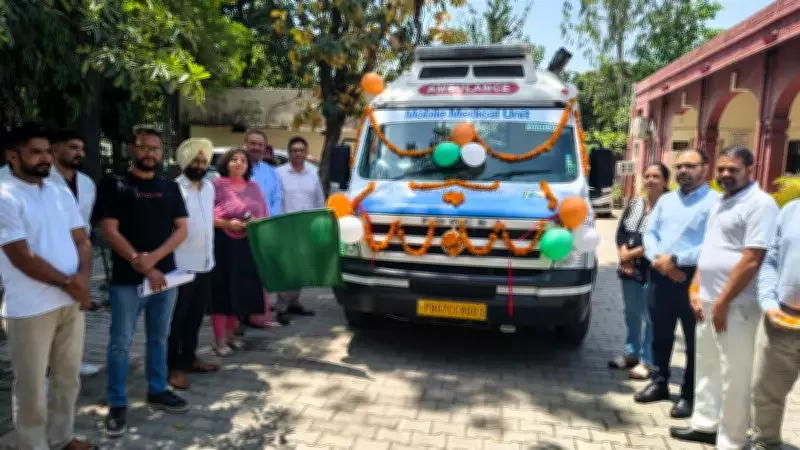
In a significant move to enhance healthcare accessibility, the Ludhiana district administration has launched three mobile medical vans specifically for high-risk zones in the city. These vans are equipped to provide essential medical services to residents in areas that are most vulnerable to health emergencies, ensuring timely intervention and treatment.
Objective of the Initiative
The primary goal of launching these mobile medical units is to bridge the gap in healthcare delivery, particularly in densely populated and underserved localities. The vans will operate in high-risk zones identified by health authorities, focusing on preventive care, basic diagnostics, and emergency response.
Features of the Mobile Medical Vans
Each van is staffed with a qualified medical team, including a doctor, nurse, and pharmacist, and is stocked with essential medicines and equipment. The vans are designed to handle minor ailments and injuries, conduct health screenings, and provide referrals for more serious conditions. They will also facilitate vaccination drives and health awareness campaigns.

The initiative is part of a broader strategy to strengthen the public health infrastructure in Ludhiana, especially in areas with limited access to hospitals or clinics. By bringing healthcare services directly to the doorstep of residents, the administration aims to reduce the burden on existing healthcare facilities and improve overall health outcomes.
Operational Plan
The mobile medical vans will follow a fixed schedule, covering different high-risk zones each day. Their routes and timings will be publicized through local announcements and community networks to ensure maximum reach. The vans will also be deployed during health emergencies or outbreaks to provide immediate support.
Community Response
Local residents have welcomed the initiative, expressing hope that it will address long-standing healthcare challenges in their neighborhoods. Many believe that the mobile vans will reduce travel time and costs associated with accessing medical care, particularly for the elderly and those with chronic conditions.
The district administration has assured that the vans will be monitored regularly for performance and impact, with plans to expand the service based on feedback and demand. This initiative underscores the commitment of local authorities to prioritize health equity and ensure that no one is left behind in accessing quality healthcare.