Mass Hospitalization of Students Follows Deworming Campaign in Uttar Pradesh Schools
In a concerning health incident, approximately 120 students across two districts of Uttar Pradesh required hospitalization after falling ill during a government-organized deworming drive at their schools. The events unfolded on Tuesday, coinciding with National Deworming Day, which is observed nationwide on February 10 and August 10 each year for children and adolescents aged 2 to 19.
Farrukhabad: The Epicenter of the Incident
The most significant number of cases emerged from Farrukhabad district. At the Jawahar Lal Prema Devi School located in Rathora Mohaddinpur village within the Kamalganj block, nearly 150 students received Albendazole tablets as part of the campaign. Shortly after administration, around 100 of these children began reporting symptoms including severe headaches and vomiting, causing immediate alarm among parents and school staff.
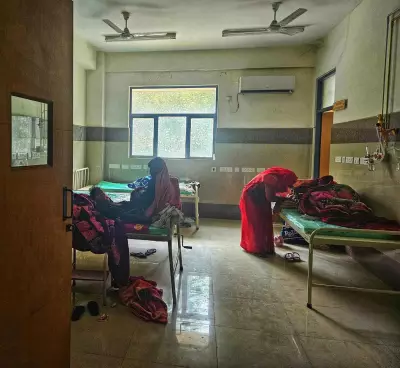
District officials swiftly responded to the developing situation. A total of 33 affected students were admitted to the local Community Health Centre in Kamalganj, while 67 others were transferred to the larger Lohia Hospital at the district headquarters for more comprehensive care.

District Magistrate Ashutosh Kumar Dwivedi personally visited Lohia Hospital to assess the condition of the children and instructed medical teams to ensure they received proper and prompt treatment. He later clarified that while the deworming tablets had been distributed across the entire district, reports of adverse reactions were isolated to this single school.
Chief Medical Officer Dr. Avanindra Kumar, who oversaw the district-wide campaign, provided reassurance regarding the students' health. "All the admitted children are stable and their condition has now returned to normal," Dr. Kumar stated. He suggested that factors other than the medication itself might have contributed to the sudden illness.
Mainpuri Reports Similar Cases
Simultaneously, in the neighboring district of Mainpuri, nearly two dozen students at a government composite school in Nagla Keeratpur also fell ill after receiving the deworming tablets. These children were promptly taken to a local hospital for evaluation and treatment.
Chief Medical Officer Dr. R.C. Gupta provided details on the Mainpuri incident, noting that initial complaints involved two children reporting stomach pain. Subsequently, other students arrived with their parents for medical check-ups. Dr. Gupta attributed this largely to "anxiety" and panic among the student body.
"Most of the children are fine. It does not appear to be a case of negligence. The tablets are safe and the symptoms seemed to be due to panic," Dr. Gupta explained, emphasizing that the drive was conducted under proper administrative supervision as part of a coordinated district-level program.
Political Reactions and Allegations
The incident triggered sharp responses from various political parties, who questioned the execution and safety of the health campaign.
- The Samajwadi Party took to social media platform X to describe the situation as a "medical emergency" in the state and raised serious allegations that "fake medicines" had been administered to the students.
- The Aam Aadmi Party (AAP) pointed to systemic negligence and demanded strict disciplinary action against those found responsible for the lapse.
- The Akhil Bharatiya Vidyarthi Parishad (ABVP), the student wing, called for immediate government intervention. ABVP's Braj secretary, Anand Kathariya, issued a statement alleging the use of "expired or substandard" medicines and criticized what he termed "delayed" medical care for the affected children.
In his statement, Kathariya demanded the suspension and legal prosecution of guilty officials, a high-level independent inquiry into the matter, and the implementation of stringent measures to prevent the recurrence of such incidents in future public health initiatives.

Context of National Deworming Day
This mass health event occurred on a significant day in India's public health calendar. National Deworming Day is a flagship initiative of the Government of India, aimed at reducing the burden of parasitic worm infections among children and adolescents. These infections can lead to malnutrition, anemia, and impaired cognitive development. The day involves the mass administration of Albendazole tablets in schools and anganwadi centers across the country.
While the program is designed with safety protocols, Tuesday's incidents in Uttar Pradesh highlight the challenges of large-scale public health campaigns and the critical importance of monitoring, swift medical response, and clear communication to manage public anxiety and ensure community trust in such essential initiatives.