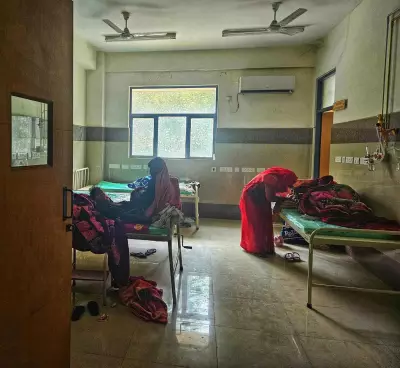
The Gandhinagar Municipal Corporation (GMC) has reported a fresh spike in typhoid cases in the city, with 11 new infections confirmed in a single day. The latest bulletin, covering the 24-hour period ending at 5 pm on Tuesday, also noted that 14 patients were discharged during the same timeframe.
Current Case Status and Patient Care
According to the official data, the total number of recorded cases now stands at 144. Out of these, 59 patients have been discharged after recovery. This leaves 85 individuals currently undergoing treatment for the disease. All active patients are receiving care at the Gandhinagar Civil Hospital and various Urban Health Centres (UHCs) located across the city.
Surveillance and Preventive Measures Intensified
The new cases were identified in specific areas, including Sectors 24, 26, and 28, as well as Adiwada. The detection followed a proactive door-to-door surveillance campaign conducted by a substantial team of 85 health officials. These teams did more than just identify the sick; they also engaged in crucial preventive work.

During their visits, the officials distributed essential supplies to residents, which included:
- Chlorine tablets for water purification.
- Oral Rehydration Solution (ORS) packets.
- Informational leaflets detailing the symptoms of typhoid.
In a parallel and critical infrastructural intervention, the GMC team detected and repaired 36 leaks in the local water pipeline network. This action addresses a common source of waterborne disease outbreaks. Officials have confirmed that no fatalities have been reported from this outbreak so far.
High-Level Review and Government Directive
The situation has drawn the attention of the state's top leadership. Gujarat Chief Minister Bhupendra Patel, accompanied by Deputy Chief Minister Harsh Sanghavi, personally reviewed the measures being implemented to control the spread. The CM issued a clear directive to officials in Gandhinagar and other urban areas of the state.
He mandated that water distribution should only proceed after daily water quality and chlorination reports are received and verified. This underscores the government's focus on tackling the root cause of the problem to prevent future incidents.