

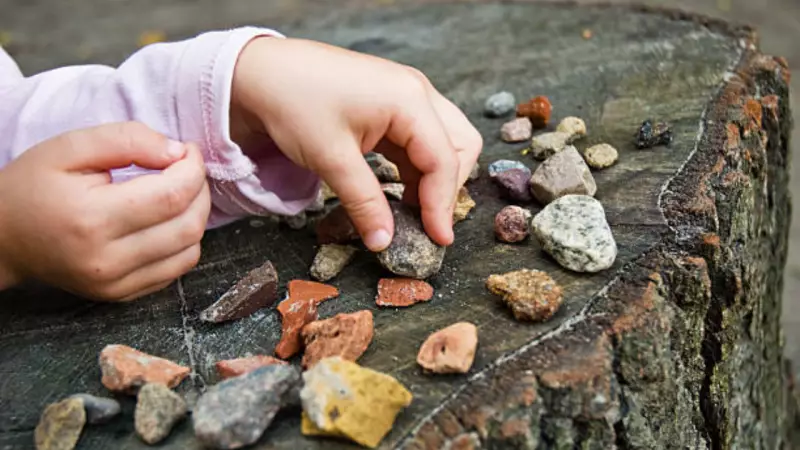
A heartbreaking incident in Kerala has cast a stark light on the ever-present dangers young children face from common household and outdoor objects. A one-year-old boy lost his life after accidentally swallowing a small stone while playing, a tragic reminder of how quickly curiosity can turn fatal.
A Fatal Moment of Play
The tragic event occurred on Sunday evening in the Malappuram district. According to reports confirmed by hospital officials on Monday, the toddler was playing in the courtyard of his family home. During his play, he reportedly picked up a small stone and put it in his mouth, subsequently swallowing it. The object became lodged in his throat, causing severe breathing difficulties. Despite efforts to save him, the child passed away on Sunday night.
Why Mouthing Objects is Normal Yet Dangerous
For parents and caregivers, it is a familiar and often nerve-wracking sight: babies and toddlers putting everything within reach into their mouths. This behavior, however, is a fundamental part of how they learn about the world. Their mouths are highly sensitive exploratory tools, helping them understand textures, shapes, and sizes. Teething discomfort also drives them to chew on objects to soothe sore gums.

The critical danger arises from their lack of impulse control and understanding of risk. A child's developing brain does not pause to consider if an item is safe to swallow. Combined with their tiny airways, which can be completely blocked by small objects, this natural curiosity creates a high-risk scenario for children under three years old.
Preventing Choking Tragedies: A Parent's Guide
While exploration is vital for development, creating a safe environment is paramount. Many such accidents are preventable with vigilance and simple safety habits.
Key prevention steps include:
- Regularly scan floors and low surfaces from a child's eye level to spot and remove hazards like coins, buttons, beads, or small toys.
- Keep small objects, including those belonging to older siblings, securely out of reach.
- Always choose age-appropriate toys and check manufacturer labels for safety warnings.
- Never leave infants and toddlers unattended, even for brief moments.
- Provide safe, designated teething toys to satisfy their need to chew.
- Learn infant and child choking first aid. Knowing how to act in those critical seconds can make a life-saving difference.
Parenting is not about creating a bubble of perfection but about fostering awareness. Children will inevitably explore their surroundings. The responsibility lies with adults to ensure that environment is as secure as possible, turning potential hazards into opportunities for safe discovery.






