In a health revelation that underscores a critical gap in conventional weight monitoring, celebrity nutritionist Pooja Makhija has demonstrated an unusual yet straightforward technique to identify excess abdominal fat using nothing more than a piece of rope. This method highlights a significant concern for the Indian population: the propensity to develop dangerous central obesity even at body weights considered normal by the Body Mass Index (BMI) scale.
The Limitations of BMI and the Indian Physiology
For years, weighing scales and standard BMI charts have been the go-to tools for millions to gauge their health status. However, Pooja Makhija, in a social media post dated December 28, 2025, challenged this reliance. She pointed out that these numbers can be deceptive, particularly for Indians, as they often fail to capture the distribution of body fat. Indians can develop central obesity even at lower weights, indicating that a “normal” BMI can miss early risk, Makhija asserted. This hidden fat, known as visceral fat, accumulates deep within the abdomen around vital organs and is a potent driver of metabolic diseases like type 2 diabetes, heart conditions, and hypertension.
The Simple Rope Test: How It Works and What It Means
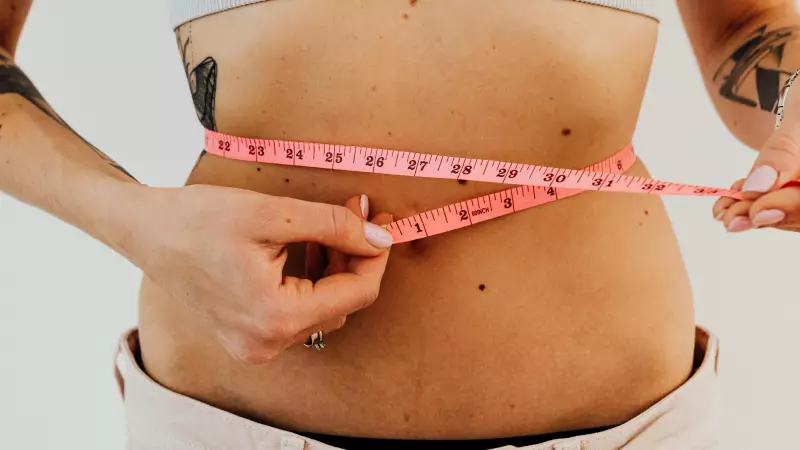
Makhija's alternative is focused on the waist-to-height ratio, a metric research suggests is a superior predictor of metabolic health risks. The technique is remarkably simple and accessible to anyone. Take a rope or string and cut it to match your exact height. Then, fold that string in half. If your waist circumference is larger than this halved length, it signals a potential problem. As Makhija explained, a waist-to-height ratio of 0.5 or more is a red flag for elevated metabolic risk, regardless of what the BMI calculator might say.

To understand the scientific validity of this DIY test, experts were consulted. Dr. Sumit Arora, Head of Department and Associate Professor at Manav Rachna Sports Science Centre, supported the emphasis on waist-to-height ratio. “It has been proven to be a better marker of metabolic risk compared to BMI,” he confirmed. He acknowledged its value as a quick, low-cost screening tool that can prompt individuals to seek further professional health evaluation.
Expert Insights: The Test's Strengths and Important Caveats
However, Dr. Arora provided crucial context and limitations. He clarified that the rope test cannot distinguish between subcutaneous fat (just under the skin) and the more dangerous visceral fat. The gold standard for assessing visceral fat remains advanced imaging techniques like CT or MRI scans. Furthermore, the rope method does not account for variables such as muscle mass, body proportions, sex differences, or ethnicity. It may also not be accurate for athletes or individuals with certain hormonal conditions affecting height.
“Visceral fat is deep abdominal fat around the organs. It isn’t visible from outside,” Dr. Arora emphasized, noting that appearance alone is an unreliable judge. Therefore, while the rope test is a useful preliminary check, it should not be treated as a definitive diagnostic tool.
Beyond the Test: A Holistic Approach to Reducing Visceral Fat
Both Makhija and Dr. Arora stress that identifying the problem is only the first step. Reducing visceral fat requires a consistent, multimodal strategy. Dr. Arora underlined that no single solution exists. An effective approach must encompass:

- Proper sleep and stress management.
- Dietary modifications aimed at improving insulin sensitivity.
- Regular physical exercise. Activities like brisk walking, planks, mountain climbers, and wood chops are particularly beneficial when performed consistently.
In conclusion, Pooja Makhija's rope test serves as a powerful, tangible reminder that health risks are not always reflected on the weighing scale. For the Indian population especially, where central obesity is a prevalent risk, this simple technique can act as an early warning system. It underscores a vital health principle: where your body stores fat often matters more than the total weight it carries. While it does not replace medical advice or sophisticated tests, it empowers individuals with a starting point to take proactive charge of their metabolic health.