As Christmas approaches, the spotlight turns to festive feasts. Food is the heart of the celebration, transforming meals into cherished moments with family and friends. However, amidst the joy of roasted meats, rich pies, and decadent desserts, it's crucial to balance indulgence with well-being. Maintaining healthy eating habits during festivals is key to enjoying the season without compromising on health or immunity.
The Calorie Count of a Christmas Feast
How heavy is a traditional Christmas lunch on your diet? According to an analysis by The Independent, a single plate from a typical Christmas lunch can easily contain at least 1,200 calories. When you add celebratory drinks like champagne and a serving of Christmas pudding with rich toppings like brandy butter or cream, the total calorie intake can approach or even exceed 2,000 calories. This staggering amount is nearly the entire recommended daily caloric intake for an average adult, consumed in just one meal.
Smart Swaps for a Healthier Holiday Plate
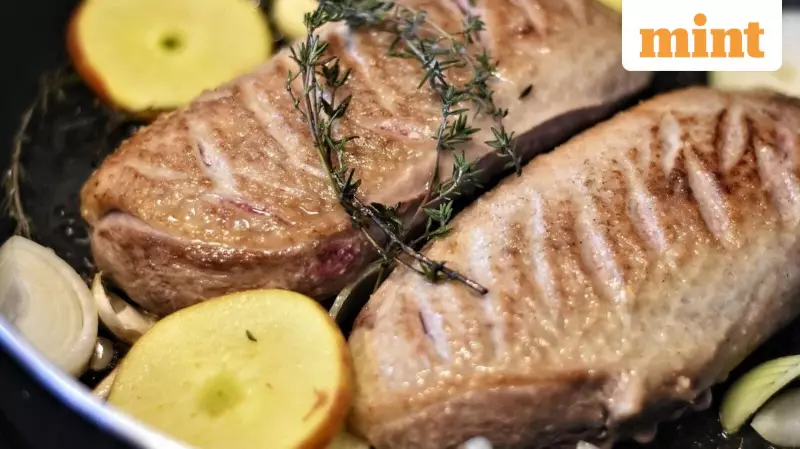
You don't have to sacrifice flavour for health. Making mindful choices can create a delicious yet nutritious feast. When it comes to the centrepiece, turkey breast is an excellent source of lean protein. For those preferring other meats, duck or goose can be favourable choices. While no fat is healthy in excess, these options have a better proportion of unsaturated fats compared to saturated fats.

For accompaniments, cranberry sauce is a clear winner over richer gravies. These tart berries are packed with compounds that may support digestive health and boost immune function. Another brilliant addition is salmon, a fantastic source of heart-healthy omega-3 essential fatty acids. A 100-gram portion of smoked salmon provides about 185 calories.
Don't Forget the Power of Colourful Sides
Vegetable sides offer a great opportunity to add nutrition. Red cabbage stands out as a superfood for the festive table. It is significantly richer in vitamin C and protective anthocyanins than its green counterpart. Additionally, it is high in calcium and provides a good dose of folate, making it a nutrient-dense choice to brighten your plate.
By incorporating these heart-healthy options—lean proteins, antioxidant-rich sauces, and colourful vegetables—you can craft a Christmas meal that delights your taste buds while caring for your well-being, ensuring a joyful and healthy celebration.