In recent months, a wave of online criticism has targeted common kitchen staples: seed oils. Platforms across social media are rife with claims labelling oils like sunflower, rapeseed (often sold as vegetable oil), and soya bean as inflammatory, toxic, and detrimental to health. This surge of alleged warnings has left countless Indian households anxious, questioning if these decades-old cooking mediums have a place in a healthy diet.
The Scientific Reality Behind Seed Oils and Heart Health
Contrary to the trending fear-mongering, major health organisations globally and in India have long endorsed these oils as a healthier alternative to fats rich in saturated content. The core fact is that when used in moderation and as a replacement for solid fats, seed oils can actively promote good heart health.
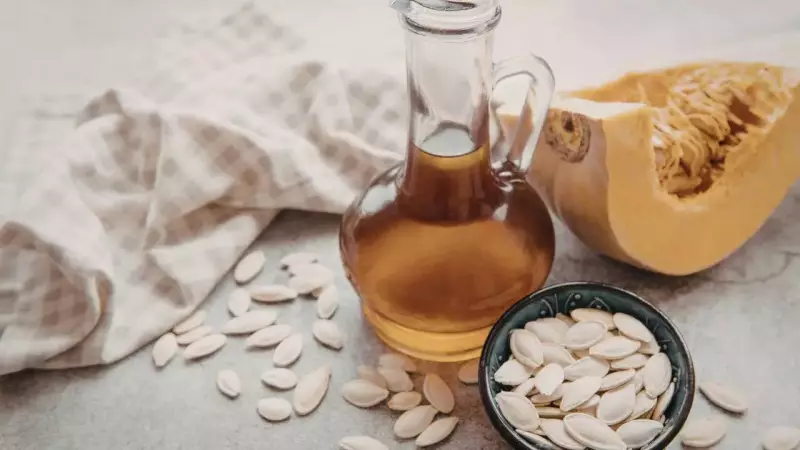
Seed oils are extracted from the seeds of plants such as sunflower, rapeseed, soya beans, and corn. They are packed with unsaturated fats, which are vital nutrients. UK health recommendations, which align with global dietary guidelines, strongly advise replacing saturated fats (found in butter, ghee, and coconut oil) with unsaturated fats to manage cholesterol levels. High cholesterol is a known risk factor for heart attacks and strokes, and using seed oils wisely is a dietary step to mitigate that risk.

Omega-6 Fats: Separating Inflammation Fact from Fiction
A significant portion of the online backlash focuses on omega-6 fatty acids, particularly linoleic acid, present in these oils. Critics argue that these fats promote inflammation, leading to chronic diseases. However, this claim collapses under scientific scrutiny.
Both omega-6 and omega-3 fatty acids are essential, meaning the human body cannot produce them and must obtain them from food. While omega-3s (found in oily fish, walnuts, and some seed oils) are celebrated for anti-inflammatory properties, omega-6s have been wrongly villainised. Large-scale human studies have found no evidence that linoleic acid from seed oils causes inflammation in people. In fact, research indicates that higher levels of linoleic acid in the blood are associated with lower levels of key inflammation markers.
Do Seed Oils Cause Obesity and Heart Disease? Evidence Speaks
Another common accusation links the rise in obesity and heart disease to increased seed oil consumption. This is a classic case of correlation being mistaken for causation. Modern diets have undergone multifaceted changes, and pinning complex health issues on a single ingredient is misleading.
Evidence points in the opposite direction. A comprehensive study cited by the British Heart Foundation found that individuals with higher levels of linoleic acid had a lower risk of death from cardiovascular disease compared to those with lower levels.
Concerns about processing are also addressed by regulatory bodies. While hexane, a solvent, is used in some industrial extraction processes, any residual traces are strictly regulated by food safety authorities like the FSSAI in India and its counterparts abroad. For consumers preferring solvent-free options, mechanically extracted (cold-pressed) seed oils are widely available.
Regarding high-temperature cooking, it is true that overheating any oil can degrade it. However, studies show that standard home-cooking temperatures do not generate significant toxic compounds in seed oils. The real danger lies in repeatedly reusing oil, a practice best avoided regardless of the oil type.
It is crucial to distinguish the oil from the food it's often found in. Seed oils are frequently ingredients in ultra-processed foods, which are high in salt, sugar, and unhealthy fats. The health issues linked to such foods stem from this overall poor nutritional profile, not solely from the presence of seed oils. Using these oils in balanced, home-cooked meals is not the problem.
In conclusion, the current demonisation of seed oils is based more on misinformation than nutritional science. When used appropriately, oils like sunflower, soya, and rapeseed remain a valid and heart-healthy component of a balanced diet.