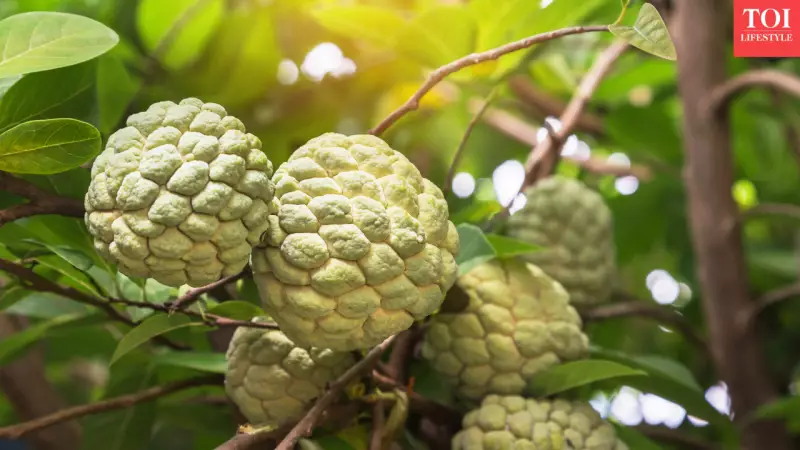
As winter settles in, Indian markets are adorned with the distinctive green, scaly skin of the custard apple, known locally as sitaphal. Scientifically termed Annona squamosa, this seasonal delight offers far more than its uniquely sweet, creamy flesh—a taste often described as a mix of banana and pineapple. Beyond its dessert-like quality, emerging research highlights its significant role in promoting digestive wellness and cognitive function, making it a smart addition to your winter diet.
The Nutritional Powerhouse Inside Sitaphal
A medium-sized custard apple contains approximately 100 calories, primarily from natural sugars. It packs a nutritional punch with 2 to 3 grams of dietary fiber, a commendable amount of vitamin C comparable to citrus fruits, and essential nutrients like vitamin B6, magnesium, potassium, and various antioxidants. This composition transforms it from a mere seasonal treat into a functional food that supports overall health.
Gut Health: A Natural Digestive Aid
The fiber in custard apple plays a starring role in digestive health. It contains both soluble fiber, which helps soften stool and prevent constipation, and insoluble fiber, which aids in clearing waste from the digestive tract. Acting as a prebiotic, this fiber feeds beneficial gut bacteria, which can reduce bloating and improve nutrient absorption from other foods.

Scientific studies, including a 2021 review published on PubMed Central focusing on Annona squamosa leaves, support its role in balancing the gut microbiome and alleviating symptoms similar to irritable bowel syndrome (IBS). During winter, when diets tend to become heavier, incorporating sitaphal can naturally ease digestion. Many who consume it regularly report fewer instances of stomach cramps and sluggish digestion. The fruit's flavonoids further contribute by soothing gut inflammation.
Boosting Brain Function and Mood
Custard apple contributes to mental well-being through several key nutrients. Vitamin B6 is crucial for the production of neurotransmitters like serotonin and dopamine, which regulate mood, focus, and overall cognitive function. Nutrition experts have linked adequate B6 intake from dietary sources to a lowered risk of depression in long-term studies.
Meanwhile, magnesium helps calm the nervous system and combat stress, while potassium ensures smooth communication between nerve cells. Antioxidants present in the fruit, such as carotenoids, provide a shield against oxidative damage that can lead to memory decline. Research, including a review on the bioactivities of Annona species, has noted the potential of its extracts in protecting against memory-related issues.
Furthermore, its vitamin C content is not just for immunity; it crosses into brain tissue to reduce oxidative stress. Work by research teams on PubMed studying its compounds points to a potential reduction in the risk of neurodegenerative conditions.
An Immunity Shield for the Cold Season
The high vitamin C content in custard apple makes it a potent ally against winter illnesses. It enhances the production and function of white blood cells, the body's primary defense against infections. A 2024 paper in the European Journal of Nutrition and Food Safety highlighted the role of such antioxidants in strengthening the body's defense mechanisms and reducing oxidative damage, which can lower susceptibility to common colds and seasonal sniffles.
Everyday Health Benefits and How to Enjoy It
The advantages of sitaphal extend to various aspects of daily health. Its potassium and magnesium help maintain healthy blood pressure and heart rhythm. The antioxidant lutein supports eye health by protecting against light-induced damage and age-related decline. Despite its sweetness, it has a relatively low glycemic index, making it a suitable occasional fruit choice for those managing diabetes, with some pharmacy reviews noting studies where its extracts helped lower blood sugar levels.

Enjoying custard apple is easy and versatile. Scoop its creamy flesh into yogurt, blend it into smoothies, or use it as a topping for oatmeal. It can be blended into nutritious shakes for children or added as chunks to fruit salads. Choose fruits that yield slightly to gentle thumb pressure—a sign of perfect ripeness. Remember to discard the inedible black seeds. Excess ripe fruit can be frozen for later use.
With markets currently overflowing with this winter gem, consider pairing it with nuts for a powerful combo of gut and brain-friendly nutrients.
A Note of Caution
While ripe custard apple is well-tolerated by most, the tannins in unripe fruit may cause stomach upset. Individuals with diabetes should be mindful of portion sizes due to its carbohydrate content. Pregnant women are advised to consult their gynecologist regarding its safe consumption.
In conclusion, the humble custard apple or sitaphal makes winter both tastier and healthier. Its fiber, backed by PMC studies, smoothens digestion, while its B6 content sharpens the mind, as noted by bioactivity reviewers. Next time you spot its knobby green exterior in the market, grab one and dig in. This creamy fruit is quietly building a foundation for better health, one sweet spoonful at a time.