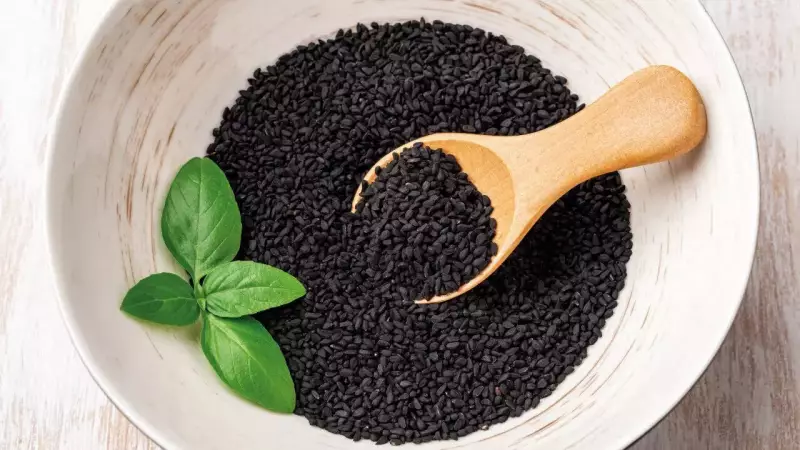
With rising cases of high cholesterol and obesity across India, nutrition experts are shifting their focus. Instead of only offering generic dietary advice, they are now investigating culturally familiar ingredients that have measurable biological effects. This search has brought one humble seed into sharp scientific focus: black cumin, known in Indian households as kalonji.
The Science Behind Black Cumin's Metabolic Benefits
Black cumin, the small black seed of Nigella sativa, has been a part of food traditions in Asia, the Middle East, and parts of Europe for centuries. Today, researchers are keenly studying its impact on lipid metabolism and body fat regulation. A growing trend in research shows scientists are increasingly fascinated by how natural compounds in everyday foods interact with fat cells, cholesterol absorption, and metabolic pathways.
The seed's prominence in this health debate isn't due to claims of being an instant fix, but because of its emerging scientific foundation as a supportive food component.

Key Health Benefits: Cholesterol and Fat Cell Reduction
Researchers have turned to black cumin after observing promising results in experiments on its effects on blood lipids and fat accumulation. A study published in the journal Food Science and Nutrition examined both experimental models and human volunteers. The findings revealed that consuming black cumin led to improved cholesterol markers and a reduction in the development of fat cells.
This evidence suggests the seed can play a supportive role in managing risk factors for obesity and cardiovascular disease. The key observed benefits include:
- Reduction in total cholesterol and LDL ("bad") cholesterol, which is strongly linked to a lower risk of heart diseases.
- Suppression of fat cell formation at a cellular level, indicating its potential to help the body store less fat.
- Promotion of healthier lipid profiles without requiring drastic dietary changes.
- Positive effects that work best alongside balanced diets aimed at weight and cholesterol management.
Why Black Cumin Works: A Symphony of Bioactive Compounds
The metabolic changes triggered by black cumin are attributed to its diverse chemical makeup, not just a single component. Among its many compounds, thymoquinone is the most strongly supported by evidence, known for its antioxidant and anti-inflammatory activities.
Since obesity and lipid imbalance are often accompanied by chronic low-grade inflammation, compounds that reduce this inflammation can help stabilise metabolic processes over time. The beneficial effects are linked to several bioactive components:
- Thymoquinone: Associated with reduced oxidative stress and inflammation.
- Phytosterols: Plant compounds that can limit dietary cholesterol absorption by binding to intestinal receptors.
- Unsaturated Fatty Acids: Beneficial for healthy fat metabolism.
- A mixture of compounds that can simultaneously influence multiple metabolic pathways.
How to Easily Add Black Cumin to Your Daily Diet
Given its strong flavour and concentrated nutrients, black cumin is typically consumed in small amounts. Its traditional culinary uses, which involve adding whole seeds to prepared dishes, align well with research recommending moderate intake. This makes it an inexpensive and simple addition for consumers.
Practical ways to include kalonji in everyday Indian diets include:
- Sprinkling whole or lightly toasted seeds on bread, salads, or cooked vegetable dishes.
- Integrating the seeds into lentil preparations (dal), rice dishes, or yoghurt (raita).
- Using black cumin oil with careful measurement, as it is more concentrated.
- Opting for standardised capsules for those who prefer a supplement form.
Long-Term Impact on Metabolic Health
The true significance of black cumin lies in its potential supportive role for long-term metabolic balance, not short-term fixes. Processes like cholesterol regulation and body fat management require time and depend on consistent dietary habits. With regular intake as part of an overall healthy diet, black cumin may help maintain cholesterol levels within a healthy range and moderate fat accumulation.

Over the long term, consistent consumption may contribute to:
- Slow, steady support in maintaining stable cholesterol levels.
- A possible role in preventing metabolic disorders associated with obesity.
- Benefits that rely on regularity rather than high consumption doses.
- Synergistic effects when combined with balanced diets and active lifestyles.
The investigation into black cumin is part of a larger global initiative to understand the impact of common foods on our metabolism. Researchers see it as a representative of a class of natural substances, studying their connection to population health over time. This aligns with a growing, nutrition-focused approach to preventive healthcare.