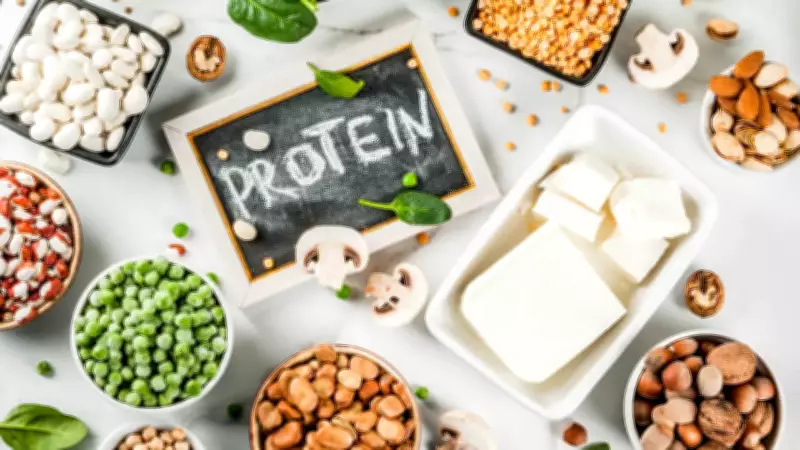
Exploring High-Protein Vegetarian Foods Beyond Paneer
When discussing essential nutrients for the human body, protein consistently ranks as a top priority. It plays a crucial role in building muscles, repairing tissues, and supporting overall health. For vegetarians, paneer is often the go-to protein source, but many other vegetarian options are equally nutritious, some even more so. According to the Indian Council of Medical Research (ICMR), the recommended protein intake for a healthy adult is about 0.8 to 0.83 grams per kilogram of body weight per day. This means a person weighing 60 kilograms would need approximately 48 to 50 grams of protein daily. With this in mind, here is a detailed list of seven excellent vegetarian protein sources beyond paneer.
Lentils: A Staple Protein Source
Commonly known as dal, lentils are one of the most accessible and widely consumed protein sources in India. The ICMR notes that cooked dal provides around 9 grams of protein per 100 grams. Rich in fiber, iron, and essential vitamins, lentils serve as a daily protein staple. Popular varieties in India include moong, toor, masoor, and urad dal, making them versatile for various dishes.
Chickpeas: Versatile and Nutritious
Also known as chana, chickpeas are an excellent source of plant-based protein, offering approximately 8 to 9 grams of protein per 100 grams when cooked. Their versatility allows them to be incorporated into breakfast, lunch, and dinner recipes. Chickpeas also provide dietary fiber, which supports digestion and promotes a feeling of fullness, aiding in weight management.

Quinoa: The Complete Protein Superfood
Quinoa has gained popularity in India in recent years and is internationally recognized as a high-quality protein source. It is valued as a complete protein, containing all nine essential amino acids. One cup of cooked quinoa provides about 8 grams of protein. Ideal for salads, pulao, and tikkis, quinoa is a nutritious addition to any meal.
Soybeans: Rich in Plant-Based Protein
Soybeans are among the richest plant-based protein sources, delivering around 16 to 18 grams of protein per 100 grams when cooked, according to the ICMR. They are also used to produce other protein-rich items like tofu, which offers about 8 grams of protein per 100 grams. Soybeans are a versatile ingredient in vegetarian diets.
Peanuts: Protein-Packed Snack
Peanuts are a rich source of protein, providing about 25 to 26 grams per 100 grams. They are also high in healthy fats, making them energy-dense and satisfying. Best enjoyed roasted as a snack, peanuts can be used as a garnish for dishes like poha and upma or blended into chutneys for added flavor and nutrition.
Oats: Breakfast Powerhouse
Oats are a powerhouse of protein, containing around 11 to 13 grams per 100 grams. Ideal for breakfast, they provide sustained energy throughout the day. Oats can be tweaked into various dishes such as porridge, poha, upma, chilla, dosa, and sandwiches, offering a nutritious start to the day.
Curd: Probiotic-Rich Protein Source
Also known as dahi, curd provides 6 to 8 grams of protein per cup. In addition to protein, it contains probiotics that support gut health and improve digestion. Curd can be used to make porridge, pudding, chilla, or simply combined with paratha to create a high-protein meal, enhancing both taste and nutrition.
Incorporating these seven high-protein vegetarian foods into your diet can help meet daily protein requirements, support muscle health, and promote overall well-being, all while offering variety and flavor beyond traditional paneer-based dishes.