Ensuring your child receives adequate nutrition is a top priority for every parent. Among the essential nutrients, iron plays a critical role in a child's growth, development, and overall energy levels. If you're looking for simple, effective strategies to boost iron content in your kid's morning meal, here are six actionable methods to transform their breakfast into a powerhouse of this vital mineral.
Why Iron is Non-Negotiable for Kids
Iron is fundamental for carrying oxygen in the blood and supporting cognitive development and a healthy immune system in children. An iron-rich breakfast helps kickstart their day, ensuring they have the stamina and focus needed for school and play. Unfortunately, iron deficiency is common, making conscious meal planning essential.
1. Embrace the Power of Whole Grains
Incorporate whole grains like oats, quinoa, and whole wheat bread into the first meal of the day. These are excellent sources of non-heme iron, the type found in plant-based foods. A bowl of oatmeal topped with chopped fruits, nuts, and seeds or whole-grain toast with almond butter are delicious and nutritious options. These foods also provide dietary fiber, which aids digestion and promotes regular bowel movements by adding bulk and softening stool. For best results, pair a fiber-rich breakfast with a glass of water or tea.

2. Choose Fortified Breakfast Cereals Wisely
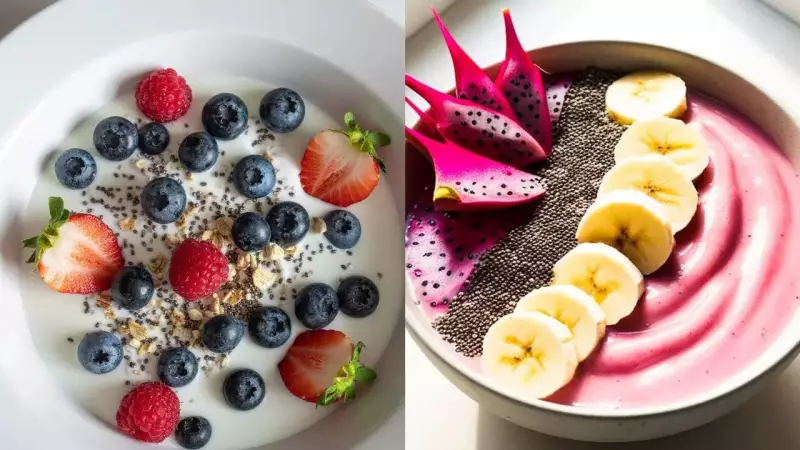
Many breakfast cereals are fortified with iron and other vitamins. The key is to select options with high iron content and low added sugars. Serving these cereals with milk or yogurt not only adds calcium but can also enhance iron absorption. Boost the nutritional profile further by adding fresh fruits like strawberries or bananas, which also provide vitamin C to help the body absorb iron more efficiently.
3. Incorporate Legumes and Pulses Creatively
Don't reserve lentils, chickpeas, and beans just for lunch or dinner. These iron-rich staples can be cleverly included in breakfast. Consider a simple lentil stew (dal), hummus served with whole-grain crackers, or adding cooked legumes to scrambled eggs. For a fun twist, try making vegetable-stuffed lentil pancakes or parathas, which are often a hit with children.
4. Add Eggs in Various Avatars
Eggs are a fantastic source of heme iron, which is more easily absorbed by the body compared to plant-based iron. Including eggs in your child's breakfast significantly boosts their iron intake. You can prepare them in numerous kid-friendly ways:
- Masala Egg Bhurji: Spicy scrambled eggs with onions, tomatoes, and Indian spices, perfect with toast or roti.
- Veggie Omelette: A fluffy omelette loaded with onions, capsicum, tomatoes, and coriander.
- Egg Toast / French Toast: Bread dipped in a spiced egg mixture and pan-fried.
- Boiled Eggs with Chaat Masala: A quick, no-cook option where boiled egg slices are seasoned with chaat masala, pepper, and lemon.
- Egg Poha: Flattened rice tossed with scrambled eggs, onions, curry leaves, and mild spices.
5. Utilise Iron-Packed Fruits and Vegetables
Certain fruits and vegetables are naturally rich in iron. Leafy greens like spinach and kale can be blended into fruit smoothies. Dried fruits such as apricots, raisins, and prunes make great toppings for oatmeal, cereal, or yogurt. Remember, pairing these iron-rich foods with vitamin C sources like oranges, strawberries, or bell peppers can dramatically improve iron absorption.
6. Don't Forget Nut Butters and Seeds
Nut butters (peanut, almond, cashew) and seeds (pumpkin, sesame, chia) are concentrated sources of iron and healthy fats. Spread nut butter on whole-grain toast or mix it into smoothies and oatmeal. Seeds can be sprinkled over yogurt, cereal, or fruit salads, adding a delightful crunch and a substantial iron boost to the meal.

Final Thoughts on Nutritional Balance
Planning an iron-rich breakfast for your child doesn't have to be complicated. By consistently incorporating a combination of these food groups—whole grains, fortified foods, legumes, eggs, fruits, vegetables, nuts, and seeds—you can create varied, tasty, and nutritionally balanced meals. It is important to note that the information shared here is for general knowledge. Always consult with a paediatrician or a nutritionist for personalised medical advice, especially if you suspect a deficiency. A mindful approach to breakfast can set a strong foundation for your child's health and well-being every single day.