The captivating world of Instagram Reels, with its endless stream of short, engaging videos, has become a dominant force in digital entertainment, especially among India's youth. However, mental health experts and child psychologists are raising serious concerns about the platform's potential negative impact on the developing minds of children and adolescents. While entertaining, the overconsumption of Reels is linked to a range of issues from shortened attention spans to emotional desensitisation.
The Cognitive and Emotional Toll of Reel Overload
One of the most significant concerns revolves around the erosion of attention span. Reels are designed to deliver rapid-fire stimulation and instant gratification, conditioning the young mind to constantly crave new inputs. This makes it increasingly difficult for children to focus on tasks that require sustained concentration and a slower pace, such as studying, reading a book, or even engaging in a deep, uninterrupted conversation. The mind, accustomed to constant digital stimulation, struggles in quieter, real-world scenarios.
Furthermore, Reel addiction can severely damage a child's self-esteem and fuel anxiety. The platform is often a highlight reel of unrealistic ideals—flawless beauty, extravagant lifestyles, and seemingly perfect lives. When children regularly compare their own reality to these curated online personas, they can develop feelings of inadequacy and a belief that they do not measure up. This constant comparison is a direct pathway to heightened anxiety and plummeting self-worth.

Physical Health and Social Consequences
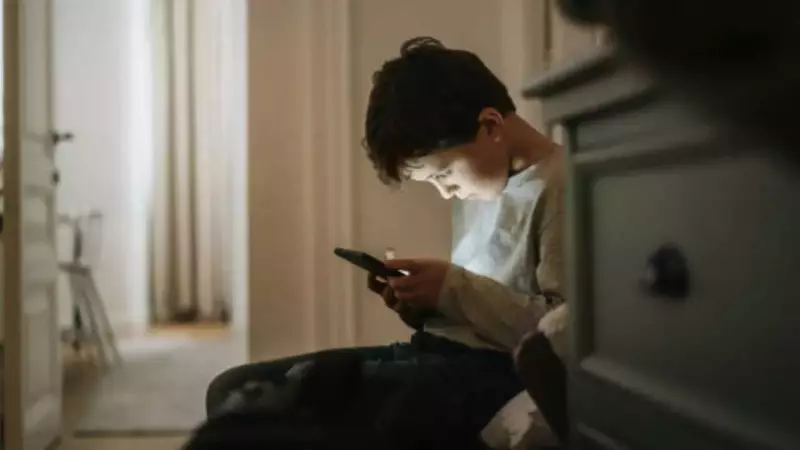
The impact extends beyond the mind, disrupting fundamental physical needs. Sleep regulation suffers severely when children use smartphones late into the night. The blue light and engaging content interfere with natural sleep patterns, leading to fatigue, daytime irritability, and poor emotional regulation. Scientific studies consistently link sleep deprivation in young people to increased stress, anxiety, and a higher risk of depressive episodes.
Another alarming effect is emotional desensitisation. Reels expose children to a chaotic, fast-paced mix of comedy, tragedy, violence, and sensational news without allowing time for processing. This sensory and emotional overload can leave them feeling numb, confused, or overwhelmed when confronted with real-life emotions, impairing their ability to understand and articulate their own feelings.
Navigating the Virtual vs. Real World Divide
Perhaps one of the most poignant consequences is the effect on real-world social skills. A child deeply immersed in the virtual social sphere of Reels and comments may begin to prefer online interaction over face-to-face communication. This can lead to isolation, difficulties in forming close, meaningful relationships offline, and a paradoxical sense of loneliness despite being perpetually "connected" online.
Experts unanimously advise that the solution lies not in outright bans, which can be counterproductive, but in fostering healthy digital habits and balance. Parents are encouraged to set clear screen time boundaries, actively promote offline hobbies and interests, and maintain open, non-judgmental communication about their child's online activities. Most crucially, the home environment should provide emotional nurturing and support, ensuring children feel valued beyond their digital personas.
Instagram Reels themselves are not inherently harmful. The danger lies in uncontrolled overconsumption. With greater parental awareness, proactive engagement, and guided digital literacy, children can learn to navigate social media in a way that supports, rather than undermines, their long-term mental and emotional well-being.