MP Chowta Calls for Central Action on Child Mental Health
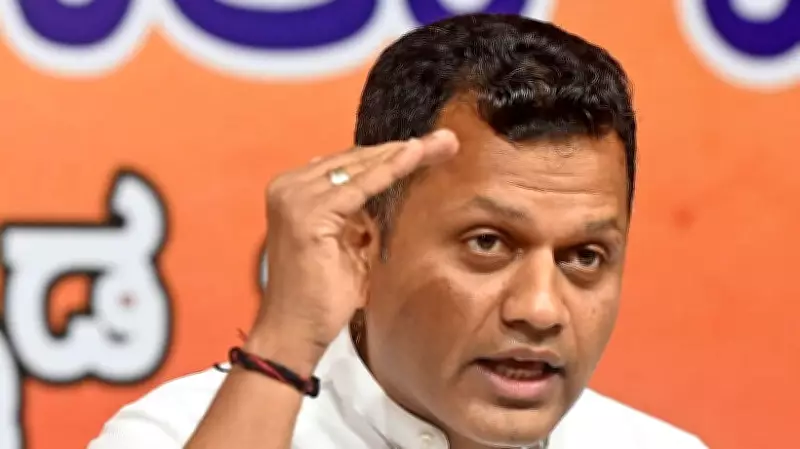
Dakshina Kannada Member of Parliament Kateel Chowta has made a compelling appeal to the central government, urging immediate and robust measures to address the escalating mental health concerns among children across India. This call to action comes amid growing reports of psychological distress and behavioral issues in young populations, signaling a pressing public health challenge that demands national attention.
Rising Concerns in Karnataka and Beyond
In his recent communication with central authorities, MP Chowta highlighted specific instances from his constituency in Karnataka, where cases of anxiety, depression, and stress-related disorders among school-going children have seen a worrying uptick. He emphasized that this trend is not isolated to Dakshina Kannada but reflects a broader national crisis, exacerbated by factors such as academic pressure, social media influence, and post-pandemic adjustments.
The MP pointed out that mental health issues in children can lead to severe long-term consequences, including poor academic performance, social withdrawal, and increased risk of substance abuse. He stressed that early intervention is crucial to prevent these outcomes and foster a healthier, more resilient generation.

Proposed Solutions and Government Role
To combat this issue, MP Chowta has proposed several key initiatives for the central government to consider:
- Implementation of school-based mental health programs that include counseling services, awareness workshops, and training for teachers to identify early signs of distress.
- Allocation of dedicated funds in the national budget for child mental health initiatives, ensuring resources are available for research, infrastructure, and professional support.
- Development of a comprehensive national policy focused on pediatric mental health, integrating efforts from the Ministry of Health, Ministry of Education, and other relevant departments.
- Promotion of community outreach programs to reduce stigma and encourage families to seek help without fear of judgment.
Chowta argued that the central government must take a leadership role in coordinating these efforts, as mental health is a cross-cutting issue that affects multiple sectors. He cited examples from other countries where government-led campaigns have successfully reduced mental health burdens among youth, suggesting that India could adopt similar models tailored to local contexts.
Broader Implications and Public Response
The appeal has garnered support from mental health advocates, educators, and parents in Karnataka, who echo the need for systemic changes. Many have reported that existing services are inadequate, with long waiting times for specialists and limited access in rural areas. By urging central intervention, MP Chowta aims to bridge these gaps and ensure equitable support for all children, regardless of their geographic or socioeconomic background.
This move aligns with global trends where governments are increasingly prioritizing mental health in public policy, recognizing it as integral to overall well-being and economic productivity. In India, recent years have seen growing awareness, but implementation remains slow, making Chowta's call a timely reminder of the urgency required.
As the central government reviews this appeal, stakeholders await concrete steps that could transform the landscape of child mental health in India. MP Chowta's initiative underscores the critical role of political leadership in addressing societal challenges, with potential ripple effects on education, healthcare, and community development nationwide.