The Dangerous Simplicity of Suicide Reporting
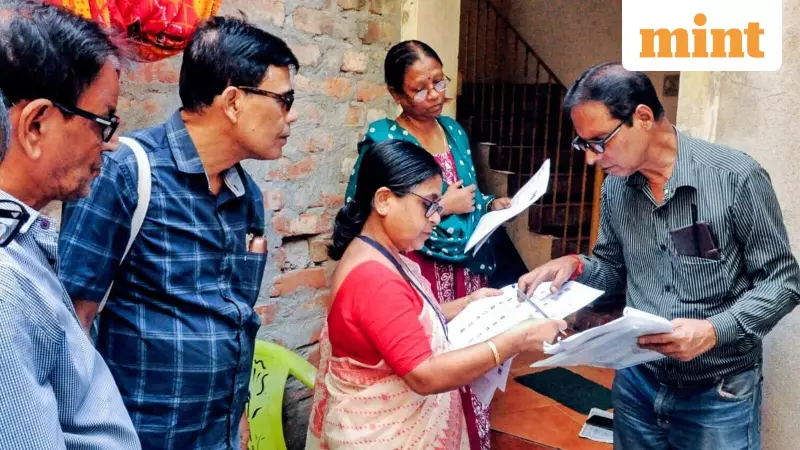
Indian news media has developed a troubling pattern of attributing straightforward 'reasons' to suicide, a practice that leading health professionals worldwide have condemned as both misleading and potentially dangerous. This issue has resurfaced prominently with recent reports about Election Commission of India booth-level officers.
According to journalist Manu Joseph, a narrative has emerged suggesting that across several Indian states, pressure from the Election Commission on officers to verify voter credentials has driven some to untimely deaths. The exact numbers remain surprisingly difficult to confirm, with reports indicating approximately ten officer deaths, of which five are believed to be suicides.
The Media's Pattern of Oversimplification
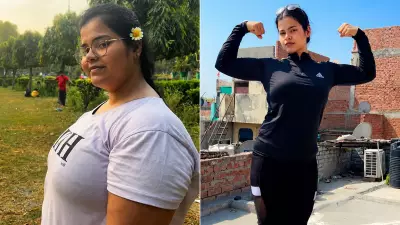
Media outlets have consistently attributed increased work pressure as the cause behind these suicides, continuing a long-standing media habit. This pattern extends far beyond election officers. When a doctor died by suicide recently, media amplified the rejection of her US visa application as the reason. When a young Instagram influencer took her own life, falling follower counts were blamed. Student suicides in Kota are routinely attributed to exam anxiety, while farmer suicides are typically linked to debt.

Recent headlines illustrate this trend clearly: "Gujarat teacher dies by suicide, cites BLO workload pressure" and "UP BLO takes poison and dies, leaves behind video of 'stress' from election duty." This approach fundamentally misunderstands the complexity of suicide.
The Real Dangers of Cause Attribution
Health professionals globally have denounced the promotion of simple 'causes' for suicide. The underlying reason for most suicides involves complex mental health factors that cannot be reduced to single triggers. The amplification of simple reasons can lead to 'copycat' suicides, where vulnerable individuals in similar circumstances identify with the deceased and find justification for ending their own lives.
As Joseph notes, when media reports that "indebted farmers" have consumed pesticides, we begin to see other indebted farmers ending their lives the same way. This creates a dangerous perception that suicide is a natural or even heroic response to particular circumstances.
The attribution of cause has also created a false proof of misery - the idea that a truly wronged person would kill themselves. This puts those who experience similar hardships but don't take their own lives at an unfair disadvantage.
Putting the Numbers in Perspective
When examining the specific case of booth-level officers, the statistics reveal a different story. There are over a million booth level officers across India, with slightly more than half a million involved in the special intensive revisions of electoral rolls across 12 states. In any large population group, some untimely deaths, including suicides, are statistically expected.
Five suicides among half a million officers actually represents a rate lower than the national suicide average, challenging the narrative that these deaths are directly linked to election-related work pressure.
Political motives often amplify convenient reasons, with influential opposition leaders using these tragedies to criticize electoral roll revisions. Even media outlets claiming journalistic rigor frequently report suicides as effects of simple sociological problems, overlooking established guidelines for responsible suicide reporting.
International Standards and Local Realities
Western media follows clear guidelines on this matter. The American Foundation for Suicide Prevention explicitly states that "reporting one 'cause' leaves the public with an overly simplistic and misleading understanding of suicide." The World Health Organization warns that widely disseminated suicide stories are often followed by more suicides in the population.
This phenomenon has been observed in India with both farmer suicides and student suicides. The media cannot claim innocence in these patterns, as their reporting choices have real-world consequences.

This misunderstanding extends beyond suicide to other areas of life, including politics, economics, and even physical health. When someone described as 'overworked' dies of cardiac issues, 'stress' is often cited as the reason, ignoring underlying physiological factors, exercise habits, and dietary patterns.
The poor labeling of mental health reasons has resulted in inadequate responses to genuine mental health challenges. Reducing complex psychological conditions to clichés prevents proper understanding and treatment, ultimately failing those who need help most.