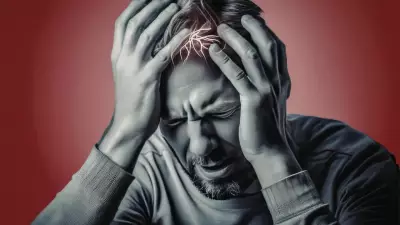
A remarkable shift is taking place in the villages of Ludhiana district, where a growing number of residents are turning away from traditional faith healers and embracing professional psychiatric care. This change is highlighted by the story of an elderly man from a village near Khanna, who spent years battling depression in the shadows, seeking solace from faith healers whenever his condition worsened. His life transformed only after a neighbour, who had faced similar struggles, urged him to visit a government psychiatrist. Today, he is under professional treatment and reports feeling significantly better.
A Statistical Surge in Rural Consultations
This individual's turnaround is no longer an isolated case. New data from government hospitals in the region paints a picture of a significant mental health awakening in rural areas. Outpatient department (OPD) records from major facilities, including Ludhiana's civil hospital and subdivisional hospitals (SDH) in Khanna, Samrala, Raikot, and Jagraon, show that mental health consultations have risen by 6.6% overall this year.
The surge is most pronounced in the rural belts. In these areas, OPD visits for mental health jumped dramatically from 12,769 in 2024 to 15,006 by November 10 this year, marking a substantial 17.5% increase. For context, the total number was below 10,000 in 2023, indicating a rapid acceleration in people seeking help.
Khanna Emerges as the Unexpected Epicentre
Surprisingly, the Subdivisional Hospital in Khanna has become the focal point for this mental health care revolution. Despite the psychiatrist being available only three days a week, the facility had recorded 7,472 patients by early November. This figure surpasses the total mental health OPD at the main civil hospital in Ludhiana city itself. It represents a staggering 37.3% increase compared to the previous year.
Dr Navneet Kaur, a psychiatrist serving both Samrala and Khanna SDHs, attributes this spike to a fundamental shift in rural attitudes. "The number of patients has increased because of growing awareness," she explains. "Patients from villages who see results from treatment share their experiences with others. This creates a chain where more people feel comfortable coming forward." This 'chain reaction' of positive word-of-mouth is breaking down long-held barriers.
Specialists report that the influx spans all demographics:
- Students grappling with academic pressure and emotional sensitivity.
- Middle-aged individuals reporting general dissatisfaction with life circumstances.
- Elderly patients primarily struggling with loneliness and isolation.
The Persistent Challenge of Social Stigma
Despite the encouraging progress, significant hurdles remain. Dr Arvind Goyal, a consultant psychiatrist at Ludhiana's civil hospital, notes that about 40% of his patients now come from rural areas like Sahnewal and Dehlon, many from low-income backgrounds. However, he issues a sobering warning: an estimated 30 to 40% of those suffering still do not seek professional help, primarily due to deep-seated social stigma surrounding mental illness.
"Efforts are being made to ensure they come forward," Dr Goyal states. "Treatment depends on the ailment and includes a combination of symptomatic medication and counselling." The medical community continues to advocate for a multi-pronged approach to care.
Civil surgeon Dr Ramandeep Kaur views the rising patient numbers as a positive indicator. She welcomes the trend as evidence that ground-level awareness campaigns are finally yielding results. "The growing number is an indication that the message is reaching the people," she said. "We continue to encourage anyone struggling to seek professional help." The journey from shadowy despair to professional treatment in Ludhiana's villages is well underway, offering a blueprint for rural mental health reform across the region.