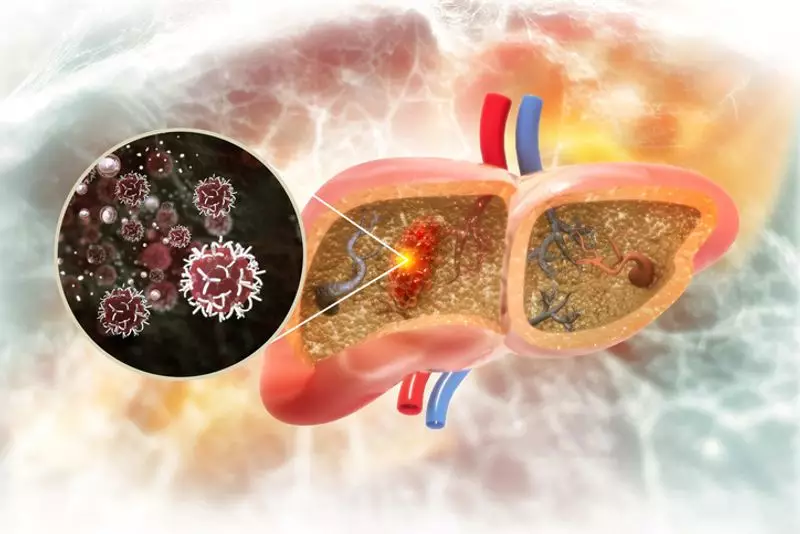
In a significant medical breakthrough, researchers at Tezpur University in Assam have identified promising blood-based markers that could lead to a non-invasive method for detecting gallbladder cancer. This development holds immense potential for early diagnosis, particularly in regions like Northeast India where this aggressive cancer is prevalent and often diagnosed at a late stage.
The Research and Key Findings
The pioneering study was conducted by a team from the university's Department of Molecular Biology and Biotechnology. The researchers focused on analyzing serum samples to find specific molecular signatures associated with gallbladder cancer. Their work has successfully pinpointed a set of microRNAs (miRNAs) that show distinct expression patterns in cancer patients compared to healthy individuals.
MicroRNAs are small, non-coding RNA molecules that regulate gene expression and have emerged as crucial biomarkers for various diseases, including cancers. The Tezpur University team's discovery suggests that a simple blood test could one day be used to screen for this deadly disease, which is notoriously difficult to detect early due to a lack of specific symptoms.

Addressing a Regional Health Crisis
This research is especially critical for Assam and the broader Northeastern states of India. The region reports one of the highest incidence rates of gallbladder cancer in the world. Factors such as gallstone disease, specific dietary habits, and possibly genetic predispositions contribute to this alarming prevalence. Late diagnosis remains a primary reason for the poor survival rates associated with this cancer.
The current standard diagnostic methods often involve imaging techniques like ultrasound or CT scans, followed by invasive tissue biopsies. A reliable blood-based test would represent a paradigm shift, offering a simpler, faster, and less expensive alternative for initial screening and potentially for monitoring high-risk populations.
Implications and Future Path
The identification of these serum biomarkers opens new avenues in the fight against gallbladder cancer. A blood-based diagnostic tool could enable widespread screening programs, allowing doctors to catch the disease at a stage where treatment is more likely to be successful. This aligns with global efforts to move towards liquid biopsies for cancer management.
While this discovery is a major step forward, the researchers emphasize that further validation through larger clinical trials is necessary. The next phases of research will involve testing the identified miRNA markers on a bigger and more diverse cohort of patients to confirm their sensitivity and specificity. The ultimate goal is to develop a commercially viable diagnostic kit that can be deployed in hospitals and clinics.
The Tezpur University team's work, published in a reputable scientific journal, underscores the vital role of Indian institutions in addressing locally relevant health challenges through cutting-edge science. It brings hope for a future where a routine blood draw could provide an early warning for one of the most lethal cancers affecting the region, potentially saving countless lives.