

Pune Hospital's NICU Team Makes Global Breakthrough in Neonatal Diabetes Genetics
In a landmark discovery with international implications, the Neonatal Intensive Care Unit team at B J Government Medical College and Sassoon General Hospital in Pune has identified the world's first genetic association between a novel mutation and Transient Neonatal Diabetes Mellitus. This rare metabolic disorder, which affects newborns, has now been linked to a previously unreported homozygous mutation in the MS4A6A gene—a finding never documented anywhere globally before.
Groundbreaking Case of a Premature Infant
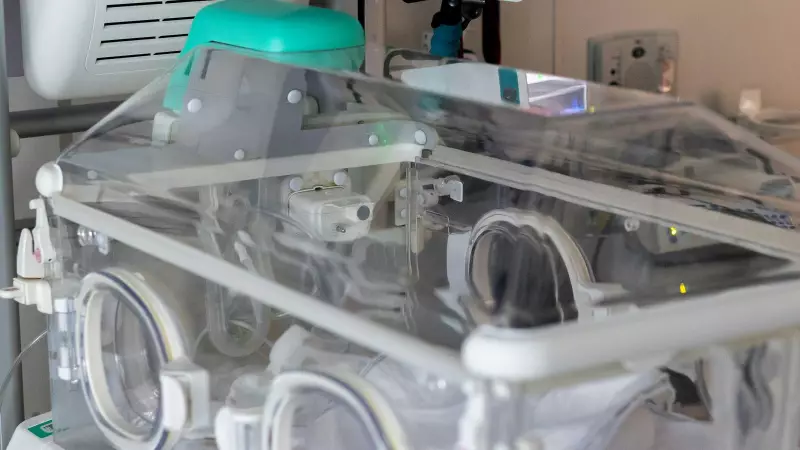
The discovery emerged from the care of an extremely premature male infant born at just 27 weeks of gestation, weighing a mere 720 grams. Admitted to the Sassoon Hospital NICU, the baby developed persistent hyperglycemia due to insulin deficiency during the early neonatal period—a condition diagnosed as Neonatal Diabetes Mellitus. Despite initially requiring insulin therapy, the infant's diabetes resolved spontaneously, confirming the transient nature of the disorder.
Dr Aarti Kinikar, Professor and Head of the Department of Paediatrics at B J Government Medical College, explained the significance: "This unique case represents a crucial advancement in our understanding of neonatal diabetes. The spontaneous resolution of symptoms, coupled with our genetic findings, provides a clear diagnostic pathway that can prevent unnecessary lifelong insulin treatment for similar cases in the future."

Advanced Genetic Testing Reveals Unprecedented Mutation
Through sophisticated genetic analysis, researchers identified a homozygous mutation in the MS4A6A gene—a gene previously associated with immune regulation and calcium signaling but never connected to neonatal diabetes mellitus. Further advanced genetic testing confirmed the authenticity of this finding, establishing it as the first documented case worldwide linking this specific genetic mutation to transient neonatal diabetes.
The research, published in the peer-reviewed Cureus Journal of Medical Science, represents a collaborative effort involving clinicians and researchers including Sohrab Shakeel, Sandeep Kadam, Sameer Pawar, Dhyey Pandya, Pragathi Kamath, Rahul Dawre, Kanchan Sakharkar, Abhinav Kachare, Sangeeta Chivale, Suvidha Sardar, Abhilash Yamavaram, Poonam Mane, Prakash Gambhir, Parag M. Tamhankar, and Salil Vaniawala.
Transforming Neonatal Diabetes Diagnosis and Management
Neonatal Diabetes Mellitus is an exceptionally rare metabolic disorder characterized by high blood glucose levels appearing within the first six months of life. With an estimated incidence of one in 90,000 to 160,000 live births, it manifests in two primary forms:
- Permanent Neonatal Diabetes: Requires lifelong treatment and management
- Transient Neonatal Diabetes Mellitus: Hyperglycemia resolves spontaneously, typically within the first few months, though it carries a significant risk of relapse later in life
Dr Kinikar emphasized the clinical implications: "Precise genetic diagnosis is paramount as it directly informs both prognosis and therapeutic approaches. For this specific mutation, management must now focus on the high lifetime risk of relapse, particularly during periods of metabolic stress. We have educated the parents on 'sick day' management protocols, and long-term surveillance has become mandatory."
Recognition of Scientific Excellence
Dr Eknath Pawar, Dean of Sassoon Hospital, formally congratulated Dr Arti Kinikar and her dedicated pediatrics and neonatology team for their groundbreaking work. Dr Pawar highlighted how this discovery demonstrates the capacity of government medical colleges to produce research of global relevance and scientific excellence.
"This achievement establishes Sassoon Hospital NICU as a center of excellence in neonatal research alongside our Clinical Genetic Centre of Excellence," Dr Pawar added, underscoring the institution's growing reputation in advanced medical research.

The identification of this genetic link represents more than just a scientific breakthrough—it offers tangible hope for families facing neonatal diabetes diagnoses. By enabling precise genetic testing, medical professionals can now distinguish between transient and permanent forms of the disorder, potentially sparing countless infants from unnecessary lifelong insulin therapy while ensuring appropriate monitoring for those at risk of future relapse.





