Kerala Hospitality Industry Announces Statewide Shutdown Over Severe LPG Shortage
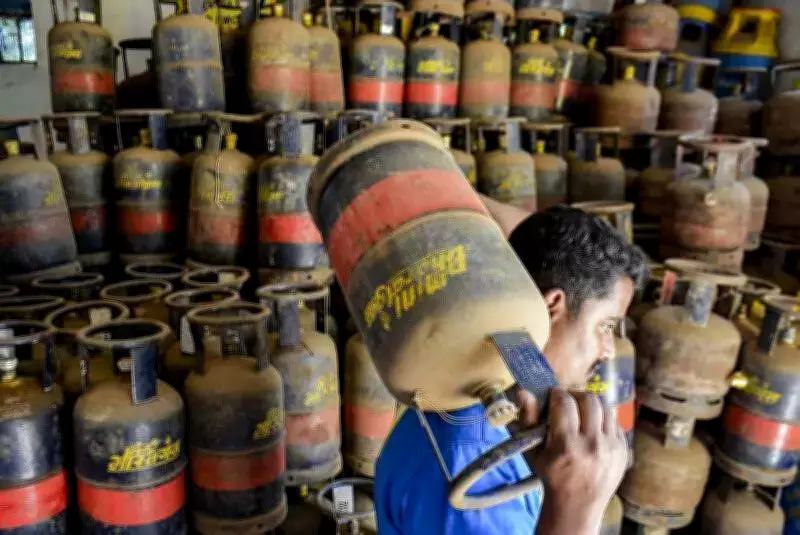
The Kerala Hotel and Restaurant Association (KHRA) has declared a complete statewide shutdown of all member establishments on March 23, 2024. This drastic action comes in response to an escalating crisis involving a severe shortage of commercial LPG cylinders, which has left numerous hotels and restaurants struggling to maintain their daily operations and service standards.
Protests and Demands for Government Intervention
In addition to the planned closure, KHRA members will organize a significant protest march on Thursday, targeting the bottling units of major oil companies located in Kochi. The association is urgently calling upon the state government to intervene in the situation by officially classifying the hospitality industry as an essential-category service.
Such a designation would legally obligate authorities to ensure an uninterrupted and reliable supply of gas cylinders to these businesses. This protection is crucial to shield hotels and restaurants from sudden market price fluctuations and unpredictable supply chain disruptions that have recently plagued the sector.

Voices from the Industry Highlight the Crisis
N Abdul Razaq, the General Secretary of KHRA, emphasized the critical nature of the situation. "The current scarcity of commercial LPG cylinders is simply unsustainable for our industry. Hotels and restaurants are not merely commercial entities; they serve as essential facilities for students, patients receiving medical treatment, employees, and countless other individuals who rely on them daily. It is imperative that the authorities recognize this vital role and include the hospitality sector under the umbrella of essential services," stated Razaq.
Mounting Losses and Broader Economic Implications
Hotel owners across Kerala are reporting mounting financial losses due to limited bulk deliveries and inconsistent supply of LPG cylinders. The association has issued a stern warning that without immediate and effective government mediation, this crisis could precipitate long-term instability for Kerala's robust tourism industry and its extensive dining sector.
The potential repercussions extend beyond individual businesses, threatening the state's economy, employment in hospitality, and its reputation as a premier tourist destination. The KHRA's actions underscore a pressing need for systemic solutions to secure the operational viability of one of Kerala's key economic pillars.