

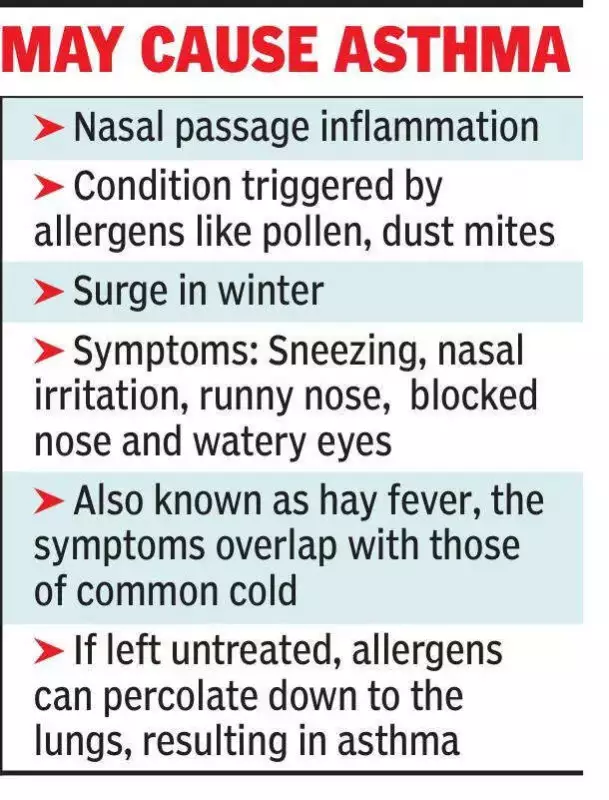
Kolkata is witnessing a sharp increase in cases of allergic rhinitis, commonly known as hay fever, with doctors directly linking the surge to deteriorating air quality during the winter months. This condition, marked by sneezing, nasal irritation, and watery eyes, is often confused with a common cold but carries the long-term risk of developing asthma if left untreated.
Pollution as the Primary Trigger
City physicians report that the combination of vehicular emissions, construction dust from rapid urbanisation, and even rising indoor pollution is creating a perfect storm for respiratory ailments. ENT surgeon Dwaipayan Mukherjee, who is the national president of the Association of Otolaryngologists of India (AOI), warned that the overlapping symptoms with a seasonal cold lead many to neglect proper treatment.
"While a common cold is self-limiting, allergic rhinitis requires correct diagnosis and management," said Mukherjee. He emphasised the serious progression: "If not addressed on time, allergic rhinitis will persist, leading to allergens percolating down to the lungs, and patients can develop asthma, which is a debilitating condition." Currently, city hospitals are seeing many elderly patients in ICUs with severe respiratory complications.

A Landmark: India-Specific Care Guidelines
In a significant development for medical practice in the country, the upcoming 77th annual conference of the AOI in Kolkata will see the release of the first-ever Indian guidelines for managing allergic rhinitis. For years, doctors relied on protocols designed for Western populations, which did not account for India's unique allergen profile, pollution levels, and genetic factors.
"A 14-member committee from across India formulated this India-specific guideline, which we are going to release in Kolkata. It will be a ready reckoner for ENT doctors," added Mukherjee. The conference, starting this Thursday, will dedicate a full day to discussions on allergic rhinitis.
Global Knowledge Exchange at AOI Conference
The four-day medical gathering is set to be a major knowledge hub, with participation expected from experts from the UK, USA, Japan, and Brazil. They will exchange insights with Indian counterparts on the latest in ENT care. ENT specialist Utpal Jana, the organising chairman and president of Bengal AOI, also announced that a medico-legal guideline for ENT treatment will be published during the event.
In addition to the key guideline launches, the conference will feature hands-on workshops on specialised subjects like vertigo and facial plastic surgery, aiming to enhance the surgical and diagnostic skills of practitioners.






