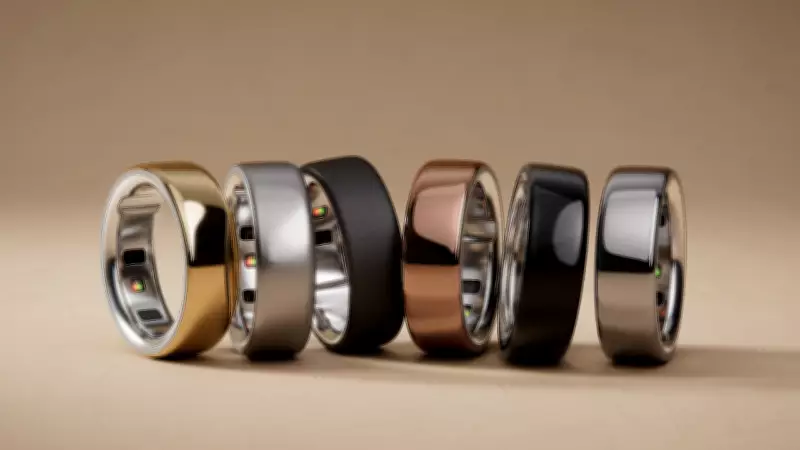
Oura has introduced two new features aimed at women users, expanding its smart ring's capabilities to include hormonal health tracking. The company announced Hormonal Birth Control support and Menopause Insights, both of which will begin rolling out globally from May 6.
New Features Focus on Hormonal Changes
The update focuses on helping users better understand how hormonal changes affect their bodies over time. "By connecting hormonal context to the biometric data Oura tracks, we're giving women visibility, language, and evidence they've never had at this scale," said Holly Shelton, chief product officer at Oura.
Hormonal Birth Control Support
The first feature, Hormonal Birth Control support, builds on Oura's existing Cycle Insights tool. It includes the ability to log different types of birth control, such as pills, patches, IUDs, and implants. The system then monitors the effect of these methods on key metrics such as body temperature, sleep patterns, and recovery. Users can also monitor symptoms and bleeding patterns over time, helping them identify what is typical for their bodies and what may fall outside their usual patterns. The feature aims to provide more personalized insights by linking daily biometric data with hormonal variations.

In addition, Oura has partnered with Twentyeight Health in the United States. Through this integration, users who opt in can connect with licensed clinicians, access virtual consultations, receive prescriptions for birth control, and use their tracked data to inform medical discussions.
Menopause Insights
The second feature, Menopause Insights, is designed for users going through perimenopause or menopause. It includes the Menopause Impact Scale, a questionnaire that assesses the impact of symptoms on daily life across sleep, mood, cognition, and overall functioning. Once the assessment is done, users receive a personalized dashboard that summarizes the impact of symptoms and points to factors that might have played a role. The feature also allows users to track changes over time and compare them with biometric data collected by the smart ring.
Chris Curry, MD, PhD, clinical director of women's health at Oura, said the feature aims to provide a clearer context. He said, "Menopause Insights brings each member's long-term biometric patterns together with what they're experiencing day to day. That gives women and their clinicians a shared, clearer view of what's actually changing." Users can also export and share their data with healthcare providers, potentially supporting more informed conversations around treatment and care.
Broader Health Ecosystem
The new features build on Oura's existing set of tools, which include Cycle Insights, Fertile Window tracking, and Pregnancy Insights. The company has also developed a domain-specific AI model designed to interpret women's health data in a more clinically relevant way. Oura said these additions are part of a broader effort to create a connected health experience that evolves with users across different life stages. By combining biometric tracking with hormonal context, the company is positioning its smart ring as a long-term health companion rather than a single-purpose fitness device.