In a remarkable medical achievement, a team of doctors at Manipal Hospital in Baner, Pune, successfully saved the life of a newborn baby who was just three days old. The infant was diagnosed with a rare and life-threatening congenital condition known as intestinal malrotation with midgut volvulus.
A Timely Diagnosis Prevents Tragedy
The baby was born at the hospital and appeared stable immediately after birth. However, on the second day, the paediatric team observed critical warning signs: the newborn was having difficulty with oral feeding and exhibited repeated vomiting after feeds. Recognizing the potential severity of these symptoms, the team immediately initiated urgent investigations.
Dr. Paritosha Dalal, consultant paediatric and neonatal surgeon at the hospital, explained the critical situation. "This was a surgical emergency," she stated. "The newborn was evaluated promptly, and higher imaging studies confirmed intestinal malrotation with midgut volvulus. In this condition, the intestines twist around their own blood supply, putting the baby at an extremely high risk of catastrophic damage."

The Critical Emergency Surgery
Dr. Dalal emphasized the need for swift action. "Immediate surgery is critical in such cases to restore blood flow and save the intestines," she said. Facing this time-sensitive crisis, the neonatal surgical team moved quickly to the operating theatre.
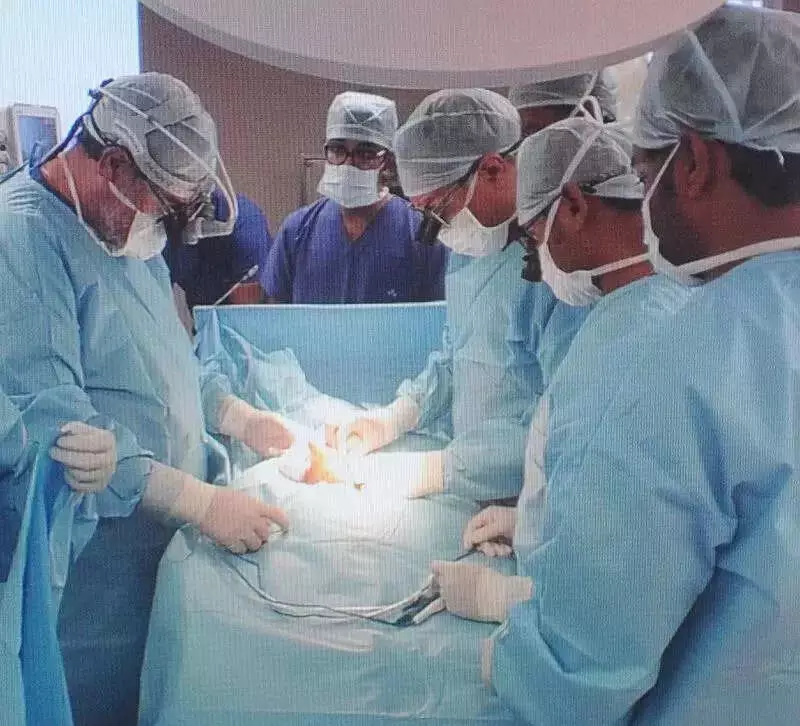
During the emergency surgery, the team meticulously untwisted the baby's bowel. This crucial step restored normal circulation and prevented what could have been irreversible damage to the intestinal tissue. Thanks to the rapid intervention, the baby's digestive function was preserved.
Navigating a Serious Complication
The journey to recovery involved navigating a serious post-operative risk. Dr. Dalal noted that newborns with such conditions are at a higher risk of developing necrotising enterocolitis (NEC), a severe complication that can lead to bowel perforation.
This risk materialized, and the infant required a subsequent emergency procedure to address a bowel perforation. During this second surgery, the damaged section of the intestine was carefully removed.
After nearly three weeks of intensive treatment and monitoring in the Neonatal Intensive Care Unit (NICU), the baby showed strong signs of recovery. The child was finally discharged from the hospital in a stable condition.
Doctors confirmed that the baby is now under regular follow-up care to monitor weight gain and feeding progress. The infant is reportedly showing steady and positive improvement.
A Multidisciplinary Triumph
The successful outcome was the result of a coordinated effort by a dedicated multidisciplinary team. The core team included paediatric surgeon Dr. Paritosha Dalal, neonatologist Dr. Mubashishir Khan, and paediatrician Dr. Ujjwala Keskar. They were supported seamlessly by the hospital's NICU and radiology teams, whose swift diagnostics and post-operative care were vital to the baby's survival and recovery.
This case highlights the importance of expert neonatal care, timely diagnosis, and the availability of advanced paediatric surgical facilities in tackling rare but dangerous congenital conditions in newborns.