

Laser Angioplasty: Separating Fact from Fiction in Modern Cardiology
In urban hospitals, a growing number of patients are requesting 'laser angioplasty,' often envisioning a futuristic, non-invasive procedure akin to cosmetic laser treatments. However, cardiologists are quick to dispel this misconception, emphasizing that the reality is far more complex and medically nuanced.
The Truth Behind Laser Angioplasty: Not a Magic Zap
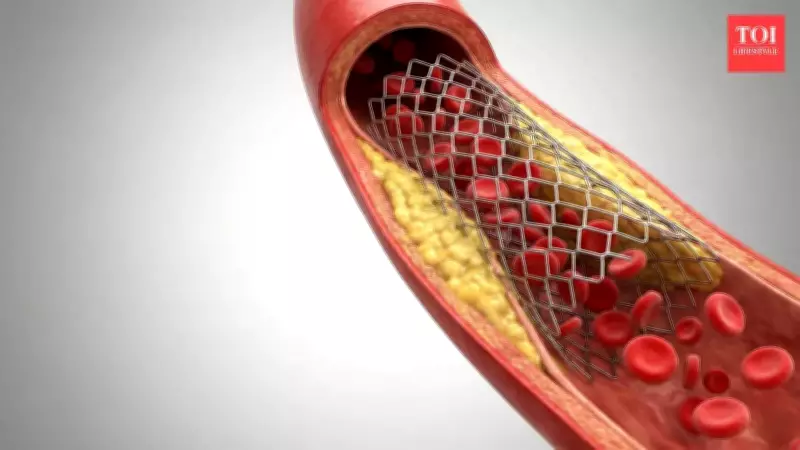
Dr. Suhas Hardas, a senior cardiologist based in Pune, explains that many people mistakenly believe laser angioplasty eliminates the need for stents or invasive steps. "Patients imagine a quick, painless zap like in beauty clinics, but that's entirely inaccurate," he states. The procedure, formally known as Excimer Laser Coronary Atherectomy (ELCA), involves the same catheter-based approach through the groin or wrist as conventional balloon angioplasty.
The key difference lies in the specialized tool used: a catheter that delivers ultraviolet pulses to vaporize soft blood clots and calcium deposits within arteries. Despite the advanced technology, the process still requires passing a wire into the artery, often followed by a balloon and potentially a stent. "The laser is merely one component of a multi-step intervention," Dr. Hardas adds, underscoring that it is not a standalone solution.

Appropriate Applications and Rising Demand
The allure of a laser dissolving blockages has led to increased demand in metropolitan areas, but experts caution that its use is highly selective. Dr. Deepak Davidson, chief cardiologist at Caritas Hospital and Heart Institute in Kottayam, Kerala, highlights ideal scenarios: "For younger patients in their 20s or 30s who experience heart attacks due to large clots without significant cholesterol buildup, the laser can effectively restore blood flow by vaporizing these obstructions."
Additionally, laser angioplasty benefits patients who develop new blockages after previous angioplasty or face in-stent restenosis years later. In cases of moderate calcification where balloons fail, lasers can be effective, though they are unsuitable for severe, rock-hard plaques or total blockages that even wires cannot cross.
Limitations and Expert Insights
Despite its advanced nature, ELCA is expensive and not a replacement for traditional angioplasty. Dr. Hardas notes, "It's an additional tool in our arsenal, performing excellently in specific cases but unnecessary for most patients." The procedure's success hinges on medical skill and judgment rather than technological glamour, reminding us that patient outcomes depend on expert decision-making.
In summary, while laser angioplasty offers innovative solutions for certain cardiac conditions, it remains a specialized technique within broader cardiology practices, debunking myths of a quick-fix treatment.






