A critical logistical bottleneck is severely hampering scientific research across India. The absence of domestic airlines willing to transport live animals for laboratory experiments is forcing researchers to undertake lengthy and stressful road journeys, compromising the health of specialised animal models and jeopardising vital studies.
The Ground Reality: From Air Travel to Arduous Roads
Scientists revealed that Air India previously offered a specialised, oxygen-supported "air hold" service for the safe domestic air transport of live laboratory animals. However, this service has been discontinued, and currently, no domestic carrier accepts such consignments. Consequently, journeys that once took a few hours by air now stretch into two to three days on the road between major research hubs like Bengaluru, Delhi, Hyderabad, and Visakhapatnam.
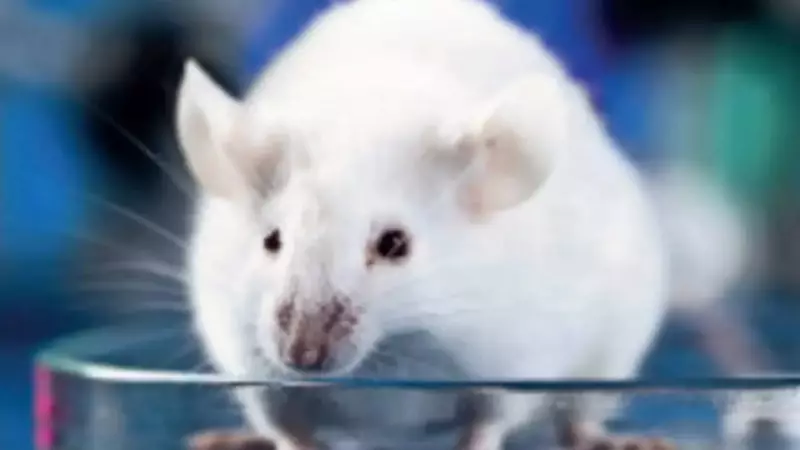
Dr. Vijay Pal Singh, President of the Laboratory Animal Scientists Association (LASA) and scientist at CSIR-IGIB, Delhi, along with Dr. J. Mahesh Kumar (LASA Vice-President, CCMB) and Dr. R.K. Shakthi Devan (LASA Secretary), highlighted the severe impact. "Animals that once travelled in hours must now endure prolonged road journeys," they stated. This exposure leads to significant stress and infection risks, particularly for delicate, immunocompromised mice strains like NSG and NBSGW, other genetically modified mice, rats, guinea pigs, and rabbits.

Imported Strains and Research at Risk
The problem intensifies for imported animals, which are essential for specific studies. While international carriers can bring animals to Indian airports, the final domestic leg from cities like Bengaluru, Mumbai, or Hyderabad relies entirely on road transport. Imported immunocompromised or transgenic mice, required for urgent research on conditions such as sickle-cell anaemia or pandemic-related studies, face high mortality risks during these long trips in unfamiliar weather and environments.
"This jeopardises research dependent on infection-free or highly specialised strains that cannot be produced quickly in India," the LASA officials emphasised. The inability to reliably transport these animals undermines years of costly and time-consuming pre-clinical research, which progresses from in-vitro studies to various animal models, including non-rodent species.
Regulatory Framework and Ethical Oversight
Addressing questions about animal use in research, the LASA team clarified that numbers are strictly governed by the purpose of the study. For regulatory safety studies, numbers are defined under Good Laboratory Practice (GLP) principles. For efficacy studies, sample sizes are calculated statistically to ensure validity.
They underscored India's rigorous regulatory environment. The Committee for the Control and Supervision of Experiments on Animals (CPCSEA) is the central authority. Every institution also has an Institutional Animal Ethics Committee (IAEC) that oversees local experiments and reports to the CPCSEA. Testing follows a hierarchical model, starting with lower-order species. "Ethical treatment is paramount. Animals are provided appropriate housing, nutrition, enrichment, and their welfare is closely monitored," the scientists added.
The 13th International Conference of LASA, India, scheduled for December 19 and 20 at Gitam Deemed to be University in Visakhapatnam, will provide a platform to discuss these and other challenges facing the scientific community. The LASA team visited Visakhapatnam to announce the event and release the conference brochure, bringing this pressing infrastructure issue to the fore.