

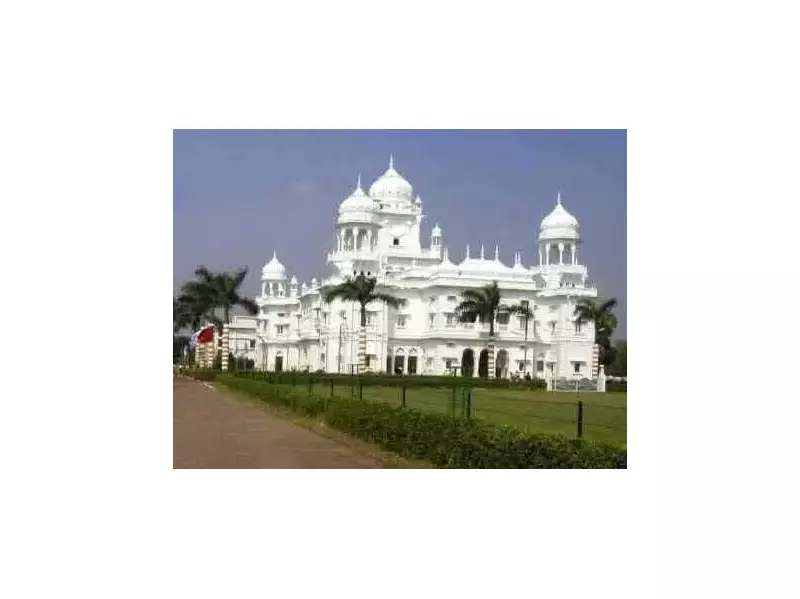
In a significant boost to emergency medical services in Uttar Pradesh, Lucknow's prestigious King George's Medical University (KGMU) is accelerating the expansion of its trauma centre. Construction work is now progressing rapidly on the ground, marking a major step in enhancing critical care infrastructure for the state.
Massive Scale and Strategic Design
The ambitious project, valued at Rs 296 crore, will add a substantial 500 beds to the existing facility. This expansion will elevate the trauma centre's total capacity to approximately 900 beds, positioning it as a premier hub for emergency treatment. The new structure is a 7-storey building with a 2-level basement, being constructed on the site of the old nursing hostel, which was demolished due to safety concerns.
KGMU spokesperson Prof KK Singh expressed confidence in the project's timeline, stating that completion is expected within the stipulated period. He emphasized that this upgrade will significantly enhance patient services at the university hospital. A key feature of the new design is the creation of separate wings for surgical and medical care, a layout intended to streamline operations and improve efficiency in handling emergencies.

Floor-by-Floor Capability Enhancement
The Detailed Project Report (DPR) outlines a highly specialized allocation of services across the new building:
- Ground Floor: An 80-bed unit and a comprehensive radio diagnostic centre.
- First Floor: 60 beds and 12 modern operation theatres.
- Third Floor: Dedicated to 80 trauma surgery beds.
- Fourth Floor: Will host 60 orthopaedic beds.
- Fifth Floor: Features a 40-bed Intensive Care Unit (ICU) and 20 High Dependency Unit (HDU) beds.
- Sixth Floor: Reserved for various superspecialty departments.
- Seventh Floor: Allocated for administrative offices, seminar halls, and lounges.
The two basement levels will provide essential support services, including parking space, diagnostic laboratories, and other utility areas. Furthermore, the expanded centre will offer round-the-clock access to crucial diagnostic facilities like MRI, X-ray, ultrasound, and pathology services.
Addressing a Critical Need for Uttar Pradesh
The driving force behind this massive investment is the rising demand for emergency care. Trauma centre CMS, Prem Raj Singh, highlighted that the expansion is essential to manage the growing number of trauma and emergency cases referred from across Uttar Pradesh. The enhanced capacity and dedicated facilities are designed to ensure that patients receive timely and specialized treatment, which can be critical in saving lives and improving outcomes.
This infrastructure development at KGMU is more than just a building project; it represents a vital upgrade to the state's public health defence system. By centralizing and expanding high-quality trauma care, the institution aims to reduce the burden on smaller facilities and provide a definitive care destination for serious injuries and emergencies, ultimately strengthening the healthcare ecosystem for millions of residents in the region.






