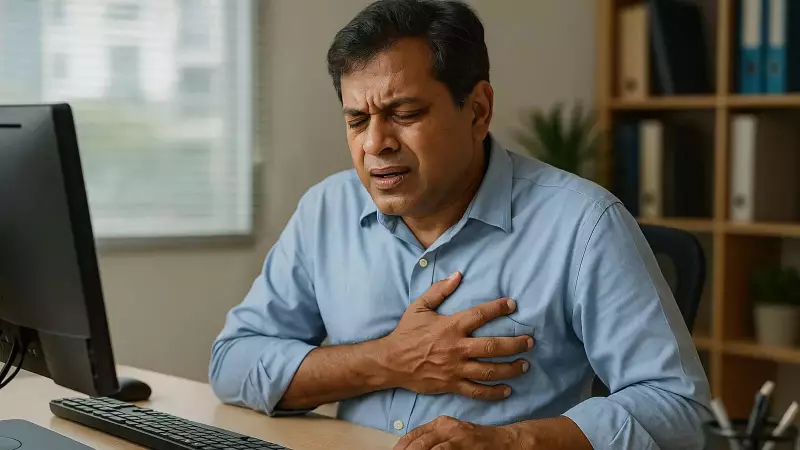
When we imagine a heart attack, the classic scene of someone clutching their chest in sudden, crushing pain often comes to mind. However, medical experts warn that many heart attacks, especially in women, begin with subtle, vague symptoms that can appear days or even weeks before the actual cardiac event. Recognizing these hidden warning signs is crucial for seeking timely medical intervention and potentially saving a life.
Beyond Chest Pain: The Silent Signals Your Body Sends
Cardiologists emphasize that a heart attack is not always a dramatic, instantaneous event. For many, it is the culmination of a process. The body often sends out distress signals as blood flow to the heart muscle becomes restricted. These early symptoms are frequently mistaken for less serious conditions like indigestion, fatigue, or a common flu, leading to dangerous delays in treatment.
One of the most common yet overlooked signs is unusual and persistent fatigue. This isn't just ordinary tiredness from a long day. It's a profound, unexplained exhaustion that doesn't improve with rest. You might feel completely drained after simple activities, like making the bed or walking short distances, which you could previously do with ease.

Subtle Symptoms You Should Never Ignore
Apart from crushing chest pain, several other bodily sensations can serve as red flags. Pay close attention to these subtle changes:
- Discomfort in Other Upper Body Areas: Pain, pressure, or a strange ache can radiate to the back, shoulders, neck, jaw, or arms (especially the left arm). This discomfort may come and go.
- Shortness of Breath: Feeling winded or unable to catch your breath without significant exertion is a major warning sign. It may occur before or alongside chest discomfort.
- Cold Sweats and Lightheadedness: Breaking out in a cold sweat for no apparent reason, feeling dizzy, or nearly fainting are serious symptoms that indicate your cardiovascular system is under stress.
- Gastrointestinal Distress: Nausea, heartburn, indigestion, or abdominal pain are common, particularly in women. These are often dismissed as stomach bugs or acid reflux.
- Sleep Disturbances and Anxiety: Unexplained anxiety, a sense of impending doom, or severe sleep disturbances in the days leading up to an event can be linked to reduced oxygen flow.
It is critical to understand that you can experience these symptoms without ever feeling significant chest pain. This phenomenon is sometimes called a "silent heart attack" and is more prevalent among individuals with diabetes and older adults.
Why Early Recognition is a Lifesaver
The core message from healthcare professionals is clear: time is muscle. The longer a blocked artery deprives the heart of oxygen, the more permanent damage occurs to the heart muscle. Ignoring early, subtle signs allows the condition to worsen, potentially leading to a larger, more damaging heart attack or sudden cardiac arrest.
If you or someone you know experiences a combination of these symptoms, especially if they are new, unexplained, or persistent, do not wait. Seeking immediate medical evaluation is non-negotiable. Call emergency services or go to the nearest hospital. Do not attempt to drive yourself. It is always better to err on the side of caution and have a doctor rule out a cardiac issue than to ignore the signs with fatal consequences.
Prevention remains the best strategy. Maintaining a heart-healthy lifestyle through a balanced diet, regular exercise, managing stress, controlling blood pressure and cholesterol, and avoiding smoking are the most effective ways to reduce your overall risk. However, being an informed advocate for your own health by knowing these hidden signs could make the ultimate difference when every second counts.