

ENT Surgeon Issues Urgent Warning on Hearing Loss Linked to Earbuds and Headphones
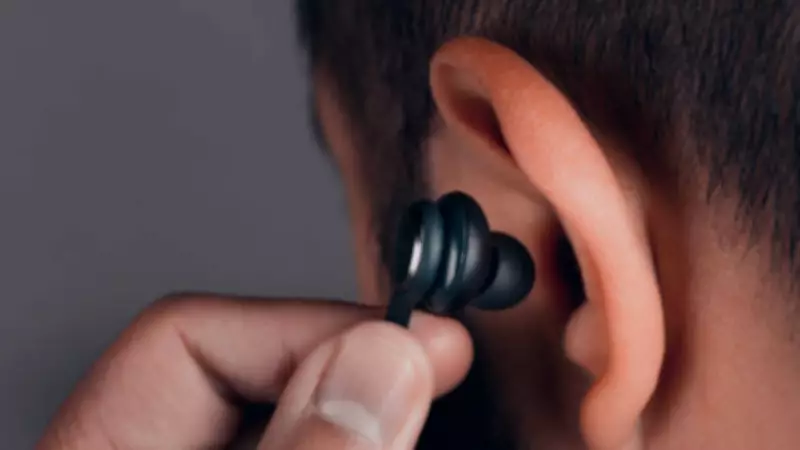
In a concerning trend, frequent use of earbuds and exposure to loud sounds from headphones are emerging as primary causes of hearing problems, particularly among young adults. Dr. Yashaswi Srikakula, a Consultant ENT Surgeon at Vasavi Hospitals, emphasizes that many individuals unknowingly damage their ears through everyday habits, such as inserting objects for cleaning or listening to high-volume audio.
Unintentional Harm from Common Practices
Dr. Srikakula explains that the ear consists of three parts: the external ear, middle ear, and inner ear. Most harm occurs in the external ear when people insert objects like ear buds, safety pins, pencils, or pens. This practice should be strictly avoided, as it can lead to pain, blockage, and long-term damage.
Rising Early Hearing Loss in Younger Adults
Hearing loss is increasingly affecting younger adults due to lifestyle factors. It is broadly classified into two types:

- Conductive hearing loss: Involves the outer or middle ear.
- Sensorineural hearing loss: Involves the inner ear or nerve.
Conditions like otosclerosis, a genetic disorder affecting middle ear bones, can also contribute and may require surgical intervention.
Ears Are Self-Cleaning: Avoid Unnecessary Interference
Contrary to popular belief, ears are naturally self-cleaning. Dr. Srikakula notes that 80 to 90 percent of people do not require ear cleaning, as wax typically moves out on its own. Attempting to remove wax at home often pushes it deeper, causing discomfort and potential blockages. If excess wax leads to issues, consulting an ENT specialist is recommended over home remedies.
Loud Headphones: A Major Concern for Youth
Using headphones and earbuds at high volumes is a significant factor behind hearing loss in young adults. Continuous exposure to loud sound can damage hearing, with patients as young as 40 years old now presenting with related issues. Dr. Srikakula advises using protective earmuffs or earplugs and undergoing regular hearing tests to mitigate risks.
Warning Signs in Children: Often Overlooked
Hearing problems in children are frequently detected late, as symptoms may be mistaken for behavioral issues. Parents should seek medical advice if a child:
- Does not respond to sounds or startle at loud noises.
- Shows delayed speech development.
- Struggles to follow instructions or repeatedly asks for repetitions.
- Prefers sitting in the front row in classrooms.
Detection and Treatment Options
For infants and young children, specialized screening tests like Otoacoustic Emission (OAE) and Brainstem Evoked Response Audiometry (BERA) assess hearing ability. These tests determine nerve function, and in cases of severe loss, procedures such as cochlear implants may be recommended.
Common Childhood Condition: Glue Ear
A frequent cause of temporary hearing loss in children is "glue ear," where fluid accumulates in the middle ear after a cold or infection. This can result in hearing loss of 50 to 60 decibels, affecting clarity in school. Initial treatment involves medication, but if persistent, a minor surgical procedure called myringotomy with grommet insertion may be performed to drain fluid and restore hearing.
Importance of Regular Hearing Checks
Doctors advise routine hearing evaluations, especially for those above 60 years or exposed to loud environments. Annual hearing tests are ideal for older adults. Awareness about hearing health remains crucial, particularly in rural areas where early signs are often missed. Simple precautions, such as avoiding objects in the ear, limiting loud sound exposure, and seeking timely care, can help protect hearing for life.






