Doctors Urge National Regulations for Cosmetic and Hair Transplant Clinics
In the wake of the Tamil Nadu government's recent order to regulate aesthetic, cosmetology, and hair transplant clinics, medical professionals across India are calling for similar comprehensive regulations to be implemented nationwide. This push comes amid a significant surge in cosmetic procedures, largely driven by social media influence and increasing disposable incomes among young Indians.
Tamil Nadu Leads with Regulatory Framework
The Tamil Nadu order mandates that all such clinics must register under the Tamil Nadu Clinical Establishments Act, bringing them under formal oversight. Specifically, it requires that hair transplant procedures be performed only by registered medical practitioners, preferably dermatologists or plastic surgeons. The regulations also stipulate that clinics must maintain proper infrastructure, including monitoring systems, emergency equipment, and adequate anesthesia support to ensure patient safety.
Rising Complications and Patient Risks
Medical specialists report a troubling increase in complications from cosmetic procedures such as hair transplants, Botox injections, and laser treatments. The Indian Association of Dermatologists, Venereologists and Leprologists (IADVL) has issued a stark warning, stating that the fast-growing aesthetic sector is slipping beyond proper oversight. The association has urged the government to roll out comprehensive national guidelines and strictly enforce existing rules to curb quackery and protect vulnerable patients.

"Aesthetic procedures require specialized training beyond an MBBS degree," emphasized Dr. Vinay Singh, president of IADVL. He noted that dermatologists undergo three years of postgraduate training in skin and hair disorders, along with essential procedural skills that are crucial for safe practice.
Alarming Incidents Highlight Urgency
Concerns have been sharply heightened following reports of botched procedures, including the tragic deaths of two engineers in Kanpur, which triggered a police investigation. The issue has also drawn judicial attention; in 2022, the Delhi High Court flagged salons offering hair transplants without medical supervision, warning that such procedures by unqualified individuals can be dangerous and even fatal.
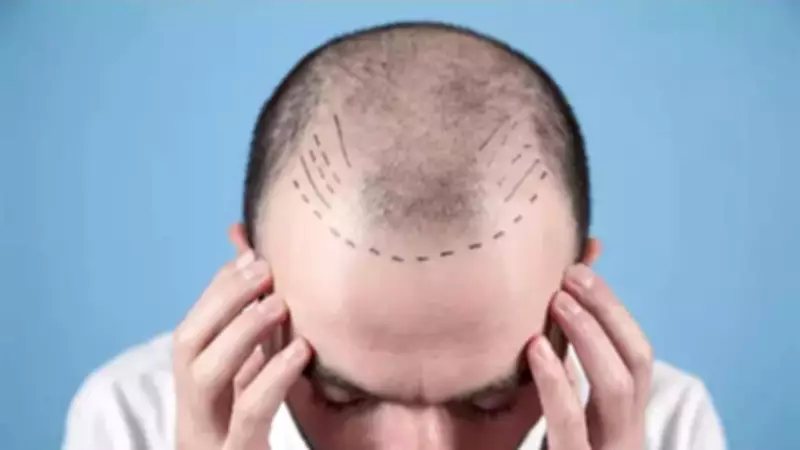
Experts stress that hair transplant surgery demands in-depth knowledge of skin biology, hair disorders, infection control, and complication management. It should be conducted exclusively by specialized registered doctors to minimize risks.
Social Media Fuels Demand, Often Without Proper Diagnosis
Dr. Kabir Sardana of Ram Manohar Lohia Hospital highlighted that many cases of hair loss can be treated medically and do not require surgical intervention. "Rising demand is being fueled by social media influence and increasing disposable incomes," he said, underlining the critical need for proper diagnosis before opting for a transplant.
Scale of Unqualified Practice and Regulatory Gaps
To illustrate the scale of the problem, IADVL's anti-quackery committee has identified and shared a list of over 100 alleged unqualified practitioners offering cosmetic procedures with the Directorate General of Health Services (DGHS) for action this year alone. The debate over qualification standards has intensified since the Dental Council of India allowed oral and maxillofacial surgeons to train in aesthetic procedures, including hair restoration, creating a regulatory grey area that complicates enforcement.
Patient Advisory and Verification Steps
IADVL has strongly advised patients to verify a doctor's qualifications and registration with the state medical council before undergoing any skin, hair, or cosmetic treatment. They recommend ensuring that the registration number is clearly mentioned on prescriptions and urge the public to remain vigilant against misleading advertisements or treatments offered by unlicensed practitioners.
As the call for national regulations grows louder, the medical community emphasizes that robust oversight is essential to safeguard patient health in an increasingly popular but risky industry.