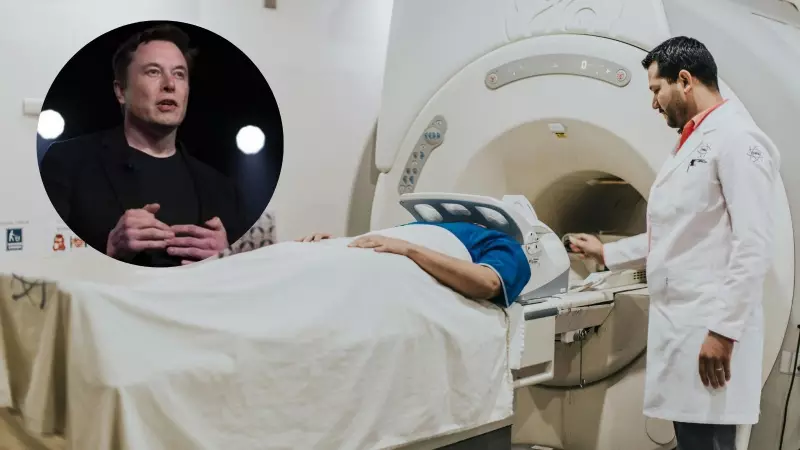
A major controversy has erupted in the medical community following tech billionaire Elon Musk's endorsement of widespread, routine MRI scans for healthy individuals. The debate, which has gained significant traction online, pits technological optimism against established clinical practice, with Indian doctors leading the charge against what they term a dangerous path.
The Spark: Musk's Proposal Meets Medical Skepticism
The discussion ignited after Elon Musk responded to a social media post about preventive Magnetic Resonance Imaging (MRI). Musk suggested that "widespread MRI usage done at least annually with AI reviewing the data would greatly improve wellbeing and mortality." This vision of frequent, high-end imaging as a universal health tool was quickly challenged by medical professionals.
Dr Deepak Krishnamurthy, director and lead cardiologist at KIMS Hospital in Bengaluru, issued a sharp rebuttal. He labeled the idea a "recipe for overdiagnosis and unnecessary procedures." Dr Krishnamurthy highlighted the existing anxiety among symptomatic patients about excessive testing, questioning the logic of screening asymptomatic populations annually. "The absurdity is astounding," he stated in a post on social media platform X.

The Trump Factor and the Core Medical Dilemma
The debate intensified with reports that 79-year-old US President Donald Trump had undergone preventive MRI scans of his heart and abdomen. His physician, Dr Sean P Barbabella, stated the imaging was meant to identify issues early and confirm overall health. This high-profile case brought the central question to the forefront: When does prudent prevention become harmful over-testing?
Dr Palleti Siva Karthik Reddy, a consultant physician in general medicine, clarified the distinction for indianexpress.com. "Preventive screening is valuable only when it is targeted, evidence-based, and linked to conditions where early detection clearly improves outcomes," he explained. This includes screenings like mammography or blood pressure checks for specific at-risk groups.
He warned that it crosses into over-testing "when investigations are done without symptoms, risk factors, or proven benefit." This scenario dramatically increases the chance of finding incidental, harmless abnormalities, leading to a cascade of further tests, anxiety, and potentially invasive procedures without improving life expectancy.
Why 'Fishing Expeditions' with MRIs Can Be Harmful
Medical experts outline clear risks associated with routine advanced imaging in healthy people. The primary danger is overdiagnosis—detecting anomalies that would never cause symptoms or harm during a person's lifetime. Dr Reddy notes that these findings can "label a healthy person as a patient," triggering unnecessary repeat scans, biopsies, or surgeries. This process inflicts psychological stress, financial burden, and physical risk from unwarranted interventions.
Genuine, evidence-based preventive care is conservative and personalized. It relies on established guidelines that consider age, family history, and lifestyle risk factors. In contrast, approaches driven by commercial or technological enthusiasm often promote one-size-fits-all testing without proof of improved long-term outcomes.
Dr Reddy advises individuals to ask critical questions: Is the test recommended by major medical bodies? Will a positive result change my management plan? Do the benefits clearly outweigh the risks? He emphasizes that a trusted physician, not a tech personality, should guide preventive health decisions.
The consensus from the medical community in India is clear: while technology offers powerful tools, healthcare must remain guided by science, not speculation. The path to well-being lies in targeted, sensible screening, not blanket surveillance that may create more problems than it solves.