In a profound act of generosity amidst tragedy, the organs of a five-year-old boy have given new life to two individuals. The child, declared brain dead at the All India Institute of Medical Sciences (AIIMS) in Jodhpur, became a lifeline for others after his family agreed to donate his organs.
A Tragic Turn and a Brave Decision
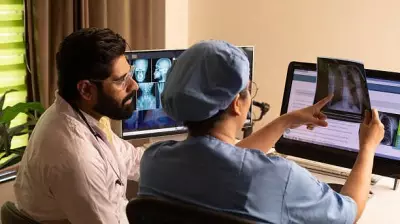
The young boy, Bhomaram, hailed from Naiyon ki Dhani, Gida, in the Balotra area. His journey to the hospital began on December 15 when he was admitted to AIIMS Jodhpur after suffering from repeated seizures. Medical teams in the emergency pediatric department provided immediate care and conducted a series of diagnostic tests.
A CT scan revealed the presence of cerebral edema, or brain swelling. Further medical evaluation led to a diagnosis of status epilepticus, a condition involving prolonged seizures, and a rare brain disorder known as central diabetes insipidus. Despite all efforts, repeated neurological examinations confirmed the absence of brainstem reflexes.

At 11:43 PM on December 20, the child was officially declared brain dead—a condition that is both irreversible and legally recognized in India. It was at this moment of immense grief that the hospital administration approached the family with the possibility of organ donation.
The Gift of Life: A Legacy of Hope
Following the suggestion from the hospital, the family made the courageous and compassionate decision to consent to organ donation. This selfless choice set in motion a process that would transform the lives of two other people.
Both kidneys of the child were successfully transplanted into a patient who was already admitted at AIIMS Jodhpur. In a coordinated effort that highlights the national network for organ sharing, the child's liver was sent to Delhi for transplantation, where it would offer a new beginning to another recipient.
The Ripple Effect of Organ Donation
This incident underscores the critical importance of organ donation awareness in India. A single donor can save multiple lives, turning an irreplaceable loss into a powerful legacy of hope and healing. The decision by Bhomaram's family serves as a poignant reminder of the impact such choices can have.
The procedures conducted at AIIMS Jodhpur demonstrate the advanced medical capabilities and ethical frameworks in place for handling such sensitive cases. The seamless transfer of the liver to Delhi also reflects the growing efficiency of India's organ transport and allocation systems.
Stories like these highlight the urgent need for more families to consider organ donation, potentially saving thousands of patients who wait on transplant lists across the country.