

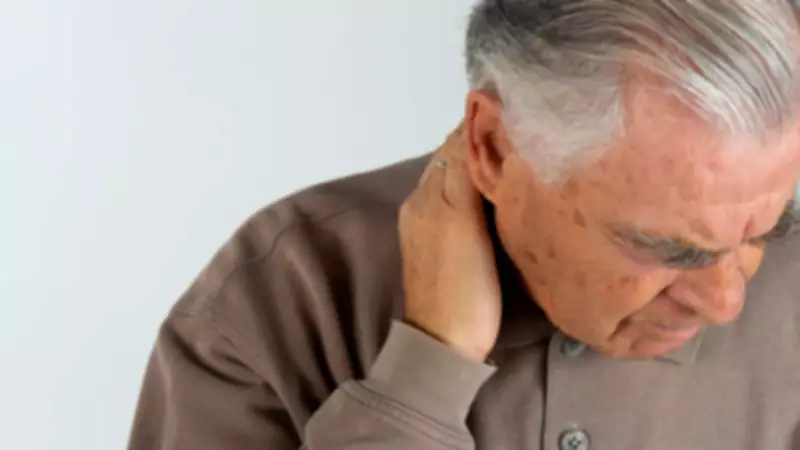
For countless individuals, retirement represents a golden period of relaxation and enjoying the fruits of decades of hard work. However, for Naunihal Singh, this phase transformed into an unrelenting daily confrontation with debilitating pain. Simple, everyday pleasures that many take for granted—such as sitting upright to enjoy a thrilling cricket match, taking a leisurely walk to a friend's residence, or even maintaining a steady head position—became exhausting and seemingly insurmountable challenges.
A Seven-Year Struggle with a Misunderstood Disorder
Naunihal Singh was diagnosed with cervical dystonia, a complex neurological condition characterized by involuntary, sustained contractions of the neck muscles. This disorder often manifests as abnormal head postures and movements, frequently leading to chronic pain, social isolation, anxiety, and depression, particularly when effective treatment remains out of reach for extended periods. Cervical dystonia is frequently misdiagnosed or detected quite late, leaving patients to suffer unnecessarily.
"He endured this condition for nearly seven long years," shared his son, Jaspreet Singh Sidhu, highlighting the prolonged nature of the struggle.

The Limitations of Conventional Treatment
In search of relief, Mr. Singh began a regimen of repeated botulinum toxin injections, commonly known as Botox, administered at three-month intervals. "The injections would typically begin showing some effect after approximately 21 days, but the relief was frustratingly short-lived, lasting only a few weeks," Jaspreet recalled. "Then the severe pain would return with full force." The cyclical nature of temporary relief followed by intense suffering took a significant emotional toll. "There were moments when he felt life was no longer worth living," Jaspreet added poignantly.
A Revolutionary Surgical Intervention: Deep Brain Stimulation
It was at this critical juncture that the family discovered Deep Brain Stimulation, often referred to as a "brain pacemaker" surgery. DBS involves the surgical implantation of electrodes into specific, targeted areas of the brain to modulate abnormal electrical signals responsible for the disorder.
Dr. Anirban Deep Banerjee, Director of Neurosurgery at Medanta – The Medicity in Gurugram, who led Mr. Singh's treatment, explained the procedure's advantages. "This therapy is adjustable, reversible, and can be fine-tuned over time, even remotely. For appropriately selected patients, DBS can dramatically reduce pain, correct abnormal postures, restore mobility, and vastly improve the overall quality of life," he stated.
Understanding the Root Causes and Diagnostic Challenges
Dr. Banerjee elaborated on the origins of cervical dystonia, noting it stems from dysfunctional signaling within the brain circuits that control muscle movement, particularly involving the basal ganglia. "While the precise trigger remains unclear in many cases, contributing factors can include age-related degeneration, genetic predisposition, prior brain injury, or prolonged neurological stress," he detailed. He further emphasized that while stress and fatigue are not direct causes, they often exacerbate the symptoms. A significant challenge is that many patients delay seeking specialized neurological care, mistakenly attributing persistent neck pain and odd postures to common muscular issues.
The doctor outlined the treatment trajectory, noting that medications, physiotherapy, and botulinum toxin injections are effective for early or moderate stages but often provide only temporary respite in advanced, severe cases. "When symptoms become severe, persistent, and truly disabling, Deep Brain Stimulation emerges as a crucial turning point," Dr. Banerjee affirmed.
Neurological Disorders: A Growing Public Health Concern in India
Dr. Banerjee highlighted the broader context, pointing out that neurological disorders are rapidly emerging as a major public health challenge. "Globally, they rank among the leading causes of disability. In India, they contribute to nearly 10% of the total disease burden," he revealed, adding a critical note on accessibility. "Awareness and access to these advanced therapeutic options, however, remain considerably limited across the country."

The Life-Changing Surgery and Recovery
Naunihal Singh underwent the DBS procedure, which was performed without complete general anesthesia. This approach allows for real-time neurological assessment during the precise placement of the electrodes and enhances safety for elderly patients. Remarkably, he was discharged from the hospital within just two days post-surgery. An added benefit of the implanted "brain pacemaker" is its capability for remote programming, significantly reducing the necessity for frequent hospital visits for adjustments.
The outcome was nothing short of transformative. "The results were unbelievable," exclaimed Jaspreet. "The chronic pain simply vanished. Today, he is totally recovered and doing exceptionally well." Naunihal Singh's journey from debilitating pain to restored vitality stands as a powerful testament to the potential of advanced neurosurgical interventions in changing lives.





