Recognizing Academic Burnout in Children
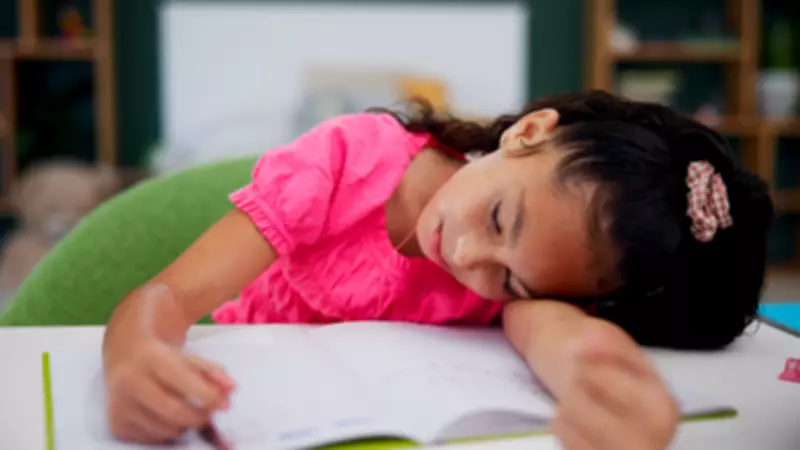
Burnout was once primarily associated with adults and working professionals, but today it has become increasingly prevalent among school-going children. Academic pressure and a packed schedule can drain a child's energy. The concerning aspect is that burnout often develops quietly, and parents may overlook early warning signs until the child begins to struggle significantly. Recognizing the signs of academic burnout is crucial for parents because it slowly takes a toll on the child's overall health, affecting their confidence, emotional well-being, and relationship with learning.
Seven Early Signs of Academic Burnout
1. Irritability and Emotional Outbursts
Children dealing with academic burnout often become emotionally overwhelmed. They may suddenly feel angry or frustrated over simple corrections or disagreements. This is a sign that stress is building up internally and needs to be addressed.
2. Frequent Complaints of Headaches and Fatigue
Academic burnout affects children both emotionally and physically. Under constant stress, children may complain about headaches, stomach aches, or tiredness even without a medical reason. Mental exhaustion can put pressure on the body, manifesting as physical symptoms.

3. Sudden Loss of Interest in Studies
If a child starts losing interest in subjects they once enjoyed, it is a sign of internal struggle. This change is often mistaken for laziness or distraction, but in many cases, it reflects academic burnout. Constant pressure makes learning feel like a burden rather than something enjoyable.
4. Avoidant Behavior Around Schoolwork
Children experiencing academic burnout often avoid school-related tasks. They may pretend to forget assignments or avoid conversations about academics. Consistent resistance toward studies indicates that burnout is affecting their emotional well-being.
5. Changes in Sleep Patterns
Academic burnout can disrupt sleep routines. Mentally stressed children may sleep late due to overthinking. Sudden or consistent changes in sleeping habits should not be ignored, as an unsettled mind can take a toll on physical health.
6. Loss of Confidence and Negative Self-Talk
A gradual loss of confidence is one of the most concerning signs of academic burnout. Parents may hear statements like, “I’m not good at studies.” Burnout makes children feel their efforts are never enough, causing them to lose faith in their own potential.
What Parents Can Do
To help a child feel secure, parents should provide emotional support rather than pushing harder. Small changes at home can significantly reduce stress and help children cope with academic pressure. Practical approaches include:
- Encourage open conversation so the child feels comfortable discussing stress and emotions.
- Focus on effort and appreciate the child's hard work.
- Ensure proper rest and relaxation time to mentally recharge.
- Reassure children that mistakes are a normal part of learning.
- Maintain a healthy routine with balanced meals and a consistent daily schedule.
If signs of burnout persist for a long time, consulting a counselor or child psychologist can be beneficial. Early intervention can help restore a child's love for learning and overall well-being.