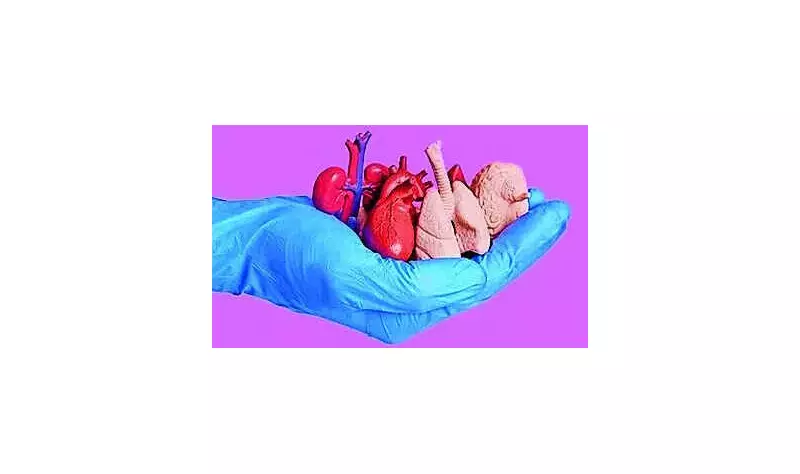
Official data from Telangana's state-run Jeevandan cadaver transplant program paints a stark picture. In 2025, 732 patients received life-saving organ transplants through 201 generous donations. Yet, nearly 4,800 individuals continue to wait desperately for organs across the state. This growing gap between demand and availability highlights both progress and persistent challenges in India's organ donation ecosystem.
Transplant Numbers Show Mixed Results
Kidney transplants dominated the procedure list with 287 successful operations. Liver transplants followed closely at 183 cases. Eye donations contributed 140 transplants, while heart transplants accounted for 30 procedures. Officials noted that most donors fell within the 41-50 age bracket. This trend reflects increasing awareness and acceptance of organ donation among middle-aged families in Telangana.
The Critical Brain Death Declaration Challenge
Experts immediately caution that awareness alone cannot solve the crisis. A senior Jeevandan official identifies the core problem. "The real challenge lies in identification and declaration of brain death, which remains grossly underreported," he states plainly. Many hospitals, especially corporate facilities, hesitate to declare brain death due to multiple factors.

These institutions often lack properly trained staff. Legal apprehensions create additional barriers. The absence of dedicated counselling teams further complicates timely declarations. A member of Parliament recently raised this specific issue, demanding concrete data on brain-death declarations and potential donors.
Human Cost and Systemic Gaps
The human toll becomes painfully clear when examining waiting list statistics. Over the past five years, 113 patients died while awaiting organ transplants. Heart and liver patients face particularly narrow survival windows, making them especially vulnerable to delays.
Healthcare professionals propose concrete solutions. They advocate for establishing mandatory organ retrieval centers in all hospitals with 100 beds or more. This includes government medical colleges, as existing norms already require. "If these mechanisms function effectively, the waiting list can be significantly reduced within a couple of years," the Jeevandan official asserts confidently.
Beyond Infrastructure: The Awareness Deficit
Despite adequate medical infrastructure for transplantation procedures, a fundamental challenge persists. Public awareness and sensitivity toward organ donation remain insufficient despite sustained awareness programs. The official emphasizes this point strongly. Doctors stress the urgent need for public participation and family consent during critical moments.
Dr. Bandari Rajkumar, president of the Healthcare Reforms Doctors Association, explains the loss mechanism. "Many potential donors are lost because families are not counselled in time or remain unaware that one donor can save multiple lives." He calls for a strategic shift in awareness campaigns.
Moving Toward Community-Level Engagement
Dr. Rajkumar advocates moving beyond generic messaging. He proposes sustained community-level engagement involving schools, colleges, religious institutions, and community leaders. Non-governmental organizations need to play a larger role in this outreach. Better training for ICU staff, transparent protocols, and targeted public outreach become essential components of any effective strategy.
Experts unanimously agree on the necessary approach. A coordinated effort combining policy enforcement, hospital accountability, and public awareness is crucial for bridging the organ availability gap. A physician summarizes the path forward succinctly. "Better coordination between hospitals, transplant coordinators, and the Jeevandan network can reduce delays and improve organ utilisation."
The data from Telangana serves as both a milestone and a warning. While hundreds received new life through organ transplants in 2025, thousands more wait anxiously. Addressing the brain death declaration bottleneck and deepening public engagement emerge as critical priorities for saving more lives in the coming years.