Maharashtra Launches Comprehensive Palliative Care Initiative Across All Hospitals
The Maharashtra health department has announced a significant expansion of its palliative care program, extending services to all state hospitals and introducing widespread home-based care for patients suffering from chronic conditions. This initiative marks a major shift from previous limited offerings, now covering a broad spectrum of ailments including cancer, heart, liver, kidney, and lung failure, stroke, Parkinson's disease, dementia, child palliative care needs, and disability support.
From Limited to Universal Coverage
Previously, home-based palliative services in Maharashtra were restricted to cancer patients and available only in select districts. Under the new program, these services will be rolled out statewide, ensuring access for all residents. The expansion follows the National Programme for Palliative Care (NPPC) guidelines issued by the Union health ministry, which Maharashtra initially adopted in 2014.
Public Health and Family Welfare Minister Prakash Abitkar emphasized the growing need for such services, stating, "The incidence of cancer, heart disease, diabetes, neurological diseases, respiratory disorders, and age-related conditions is rising in Maharashtra. Many patients require long-term treatment and continuous care. Our primary goal is to provide physical pain control, psycho-social support, family counselling, and home delivery services to ensure dignified end-of-life care."

Implementation Strategy and Patient Identification
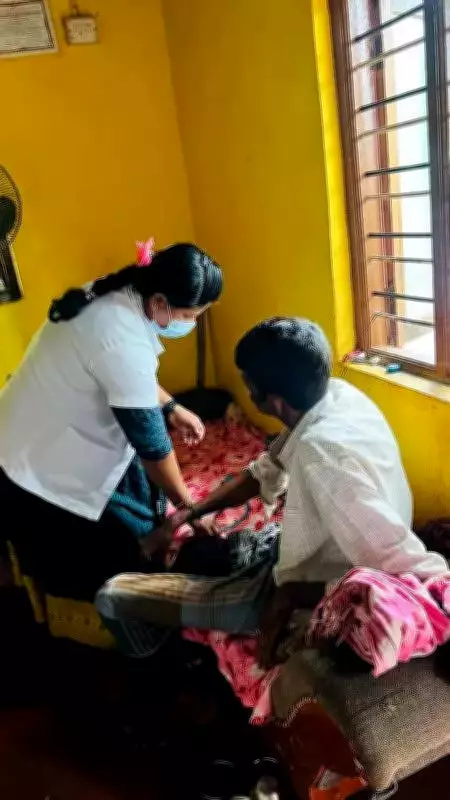
A government resolution (GR) has been issued to formalize the program. Umesh Shirodkar, Joint Director of Health Services in Maharashtra, outlined the implementation plan: "We will begin with a door-to-door survey conducted by ASHA workers to identify patients needing palliative care. This survey, scheduled to conclude by February 21, will be followed by service provision at health centres by community health officers, who are BAMS doctors or trained nurses. Subsequently, ANMs and chief medical officers will provide home visits as required."
The criteria for patients requiring palliative care are defined under central government guidelines, and all services will be provided completely free of cost. This approach ensures that financial barriers do not prevent access to essential care.
Multi-Level Care Structure and Medication Access
The program establishes a tiered care system. For preliminary palliative care, including counselling and physiotherapy, trained healthcare providers will offer services at primary health centres, urban health centres, and health extension centres. Patients needing more advanced care will be referred to sub-district, district, and rural hospitals, where 4 to 6 beds will be reserved for palliative care, providing 24-hour nursing, counselling, physiotherapy, and essential medicines.
A key enhancement is the availability of effective painkillers like morphine directly at primary health centres, prescribed by trained medical officers. Previously, these medications were only accessible at district hospitals, creating logistical challenges for patients in remote areas.
Historical Context and National Framework
The National Health Mission website notes that an expert group on palliative care proposed a national program in November 2012. Kerala pioneered state-level palliative care policies with a focus on home-based care, inspiring other states like Tamil Nadu, Telangana, Karnataka, Lakshadweep, Rajasthan, Assam, and Delhi/NCR to implement similar services.
In Maharashtra, palliative care services will be available throughout the treatment period, starting from diagnosis. This comprehensive approach aims to improve quality of life for patients with chronic and terminal illnesses, addressing both physical and emotional needs.