Left Politics and Protest Movements Continue to Shape Discourse at Jawaharlal Nehru University
Jawaharlal Nehru University (JNU) in Delhi has long been recognized as a central hub for leftist political ideologies and vibrant protest movements. These elements persistently mold the academic and social conversations within the university, extending their influence to broader national discussions. The campus environment is characterized by a dynamic interplay of student activism, intellectual debates, and political engagement, making it a focal point for progressive thought in India.
Historical Context and Ongoing Influence
The legacy of left politics at JNU dates back decades, rooted in the university's founding principles that emphasize social justice and critical inquiry. Over the years, this has fostered a culture where protest movements are not merely occasional events but integral to the institutional identity. Students and faculty regularly organize demonstrations, seminars, and discussions that address issues ranging from educational policies to human rights, ensuring that leftist perspectives remain at the forefront of campus life.
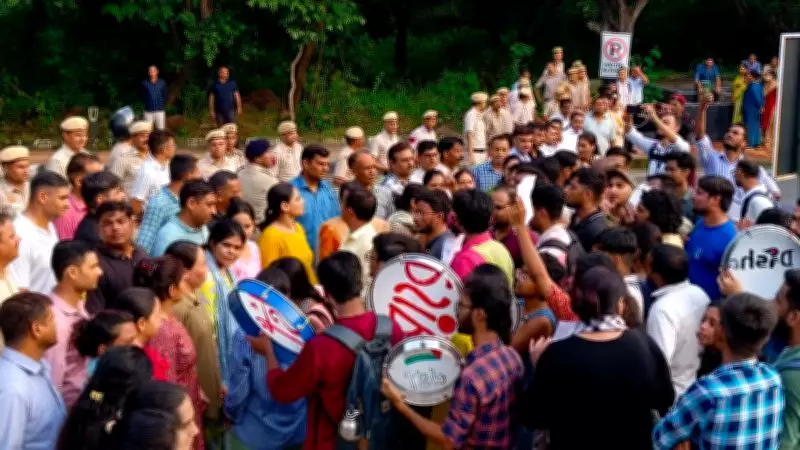
This continuous shaping of discourse is evident in the way JNU responds to national and international events. For instance, recent years have seen the university become a battleground for debates on topics such as fee hikes, reservation policies, and freedom of expression. These protests often gain media attention, amplifying the university's role as a barometer for political sentiment in India. The activism at JNU is not isolated; it connects with larger social movements, influencing public opinion and policy discussions across the country.

Academic and Social Ramifications
Beyond protests, left politics deeply permeates the academic curriculum and research at JNU. Courses in social sciences, humanities, and law frequently incorporate Marxist and other leftist theories, encouraging students to critically analyze power structures and societal inequalities. This academic orientation supports the protest movements by providing intellectual frameworks and historical context, creating a symbiotic relationship between theory and practice.
Socially, the university's environment promotes inclusivity and dissent, attracting students from diverse backgrounds who are passionate about activism. This has led to a vibrant campus culture where dialogue and confrontation coexist, shaping not only individual perspectives but also collective identities. The discourse at JNU often sets trends for other educational institutions in India, making it a model for how universities can engage with political issues.
Challenges and Future Outlook
Despite its influential role, JNU faces challenges, including political backlash and administrative pressures that sometimes seek to curb its activist spirit. However, the resilience of left politics and protest movements at the university suggests that they will continue to be defining features. Looking ahead, as India navigates complex social and political landscapes, JNU is likely to remain a key site for shaping progressive discourse, driven by its commitment to critical thought and social change.
In summary, Jawaharlal Nehru University's enduring association with left politics and protest movements underscores its significance in Indian academia and society. By fostering an environment where activism and intellectualism intersect, JNU continues to play a pivotal role in shaping national conversations, ensuring that issues of justice and equality remain central to public discourse.