

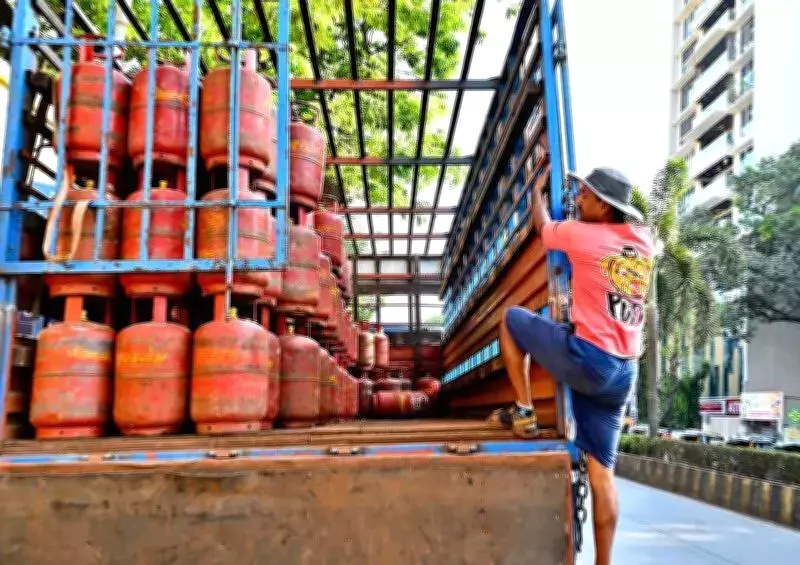
LPG Cylinder Shortage Impacts Food Services at Mumbai's Major Public Hospitals
The ongoing nationwide LPG cylinder shortage has now extended its reach into Mumbai's critical healthcare infrastructure, creating significant disruptions in food preparation for medical staff and students at several prominent public hospitals. While patient care remains unaffected, the situation highlights the broader supply chain challenges affecting essential services.
Hospital Operations Adapt to Limited Cylinder Supply
Officials from two major healthcare institutions—the state government-run J J Hospital in Byculla and the central government-operated Advanced Centre for Treatment, Research and Education in Cancer (ACTREC), which is part of Tata Memorial Centre's Kharghar unit—confirmed that their facilities have been impacted by the LPG shortage. Both institutions emphasized that food preparation for patients continues without interruption, but staff and student dining services have faced considerable constraints.
A senior doctor at ACTREC revealed the extent of the adaptation required: "Staff and students have been asked to be accommodating and manage with simpler meals like khichdi. Patients continue to receive their usual meal plates, but our daily cylinder allocation has dropped to just eight cylinders, which severely limits our cooking capacity for non-patient food services."

Differentiated Supply Systems Explain Disparate Impact
The varying impact on different hospital areas stems from their registration under different LPG connection categories. Dr. Ajay Bhandarwar, Dean of J J Hospital, explained this critical distinction: "The canteens where patient food is prepared are registered for domestic LPG connections, whose distribution has remained relatively unaffected. However, the canteens attached to our boys', girls', and nursing hostels operate with commercial connections that have experienced significant supply disruptions."
Each of these three hostel canteens typically requires three to four cylinders daily to function normally. With the current shortage, students have been provided with alternative dry food options such as sandwiches to compensate for the reduced hot meal availability.
Administrative Response and Resolution Efforts
Hospital administrators have taken proactive steps to address the situation. Dr. Bhandarwar confirmed that he has formally written to the Department of Medical Education to highlight the issue and seek intervention. "We have escalated the matter through proper channels, and we are confident it will be resolved soon," he stated, expressing optimism about a timely resolution to the supply constraints.
The situation at these Mumbai hospitals reflects a broader pattern of essential service providers navigating resource limitations while maintaining critical operations. The healthcare institutions' ability to prioritize patient needs while adapting staff services demonstrates their operational resilience during supply chain challenges.
As Mumbai continues to grapple with the LPG shortage, these hospitals serve as microcosms of how public institutions must balance resource allocation between different stakeholder groups. The temporary adjustments in food services for medical professionals and students underscore the practical realities of managing essential infrastructure during periods of commodity scarcity.






