

Karnataka's Rare Disease Crisis Deepens as Treatment Funding Dries Up
In a heart-wrenching plea at an Organisation of Rare Diseases India (ORDI) event in Bengaluru, parents Vasanth and Seetharama Shetty revealed their desperate efforts to restart rare disease treatments for their two young sons, aged 4.5 and 8. "We visited over a dozen MLAs, MPs, and ministers seeking the restart of rare disease treatment, but our efforts were in vain," they stated. The family faces a monthly cost exceeding Rs 3.5 lakh for treating Gaucher, a genetic disorder where a missing enzyme leads to fatty substance accumulation in the spleen, liver, and bones.
Government Inaction and Personal Desperation
Vasanth Shetty expressed such profound despair that he requested health minister Dinesh Gundu Rao to consider mercy killing, describing it as "heartbreaking to watch my child suffer." This sentiment echoes across Karnataka, where rare disease treatment has largely stopped or stalled over the past two years. National funding under the National Policy for Rare Diseases (NPRD-2021) has failed to reach state centers like the Indira Gandhi Institute of Child Health, discontinuing enzyme replacement therapies once the Rs 50-lakh per patient cap is exhausted.
Impact on Education and Daily Life
The crisis severely affects children's education and futures. Aishwarya, an eighth-grade student with Gaucher, reported worsening health without treatment, keeping her out of school. Similarly, Revathi, an engineering student with the same condition, risks dropping out. Both urged the government to resume treatment, emphasizing the importance of their education. Dr. Meenakshi Bhat, director of the Centre for Human Genetics, noted that lowering drug costs will take time but suggested domestic manufacturing and increased gene-therapy funding could accelerate access.

ORDI's Advocacy and Awareness Efforts
To address these challenges, ORDI is conducting Racefor7, its annual awareness run on February 22. This event aims to bring together various stakeholders in solidarity with the rare disease community, expand public understanding, and advocate for improved access to treatment and care. The initiative highlights the urgent need for policy reforms and sustained funding to support affected families.
Inspiring Story of Resilience
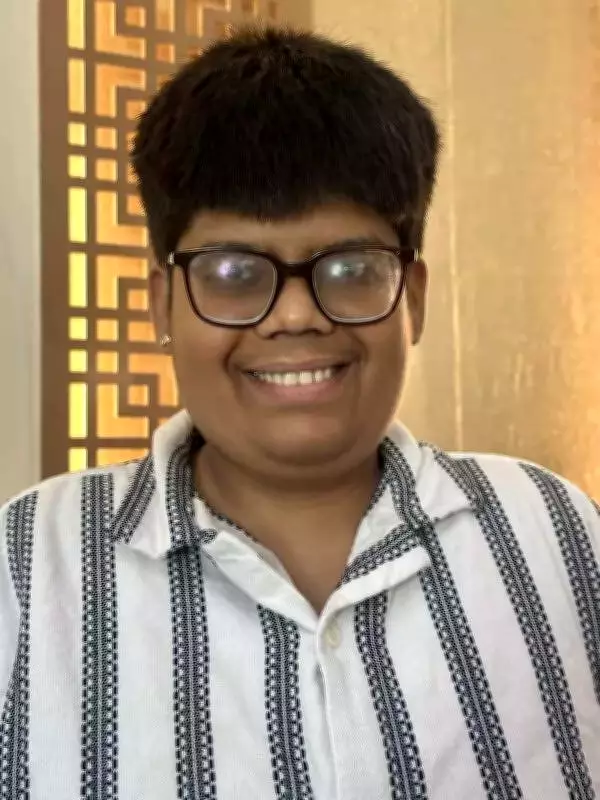
Amidst the struggles, stories of resilience emerge. Aryan V, 17, diagnosed with Prader–Willi syndrome at age five, defies odds despite his condition causing an insatiable appetite and high risk of severe obesity. His parents lock kitchen cabinets and refrigerators for safety, and he manages with a daily injection costing about Rs 1,500, regular exercise, and home education after discontinuing formal schooling post-Class 3. Today, Aryan works part-time at a gym, guiding beginners on equipment use, cardio routines, and basic diet practices, proudly earning his own income and recently purchasing a gold earring with his salary.
The broader context includes ongoing issues like the Bharat Bandh on February 12, Union Budget impacts on infrastructure, and US bills affecting H1-B visas, but the rare disease crisis remains a pressing public health concern in Karnataka, demanding immediate attention and action from authorities.






